
 EN
EN
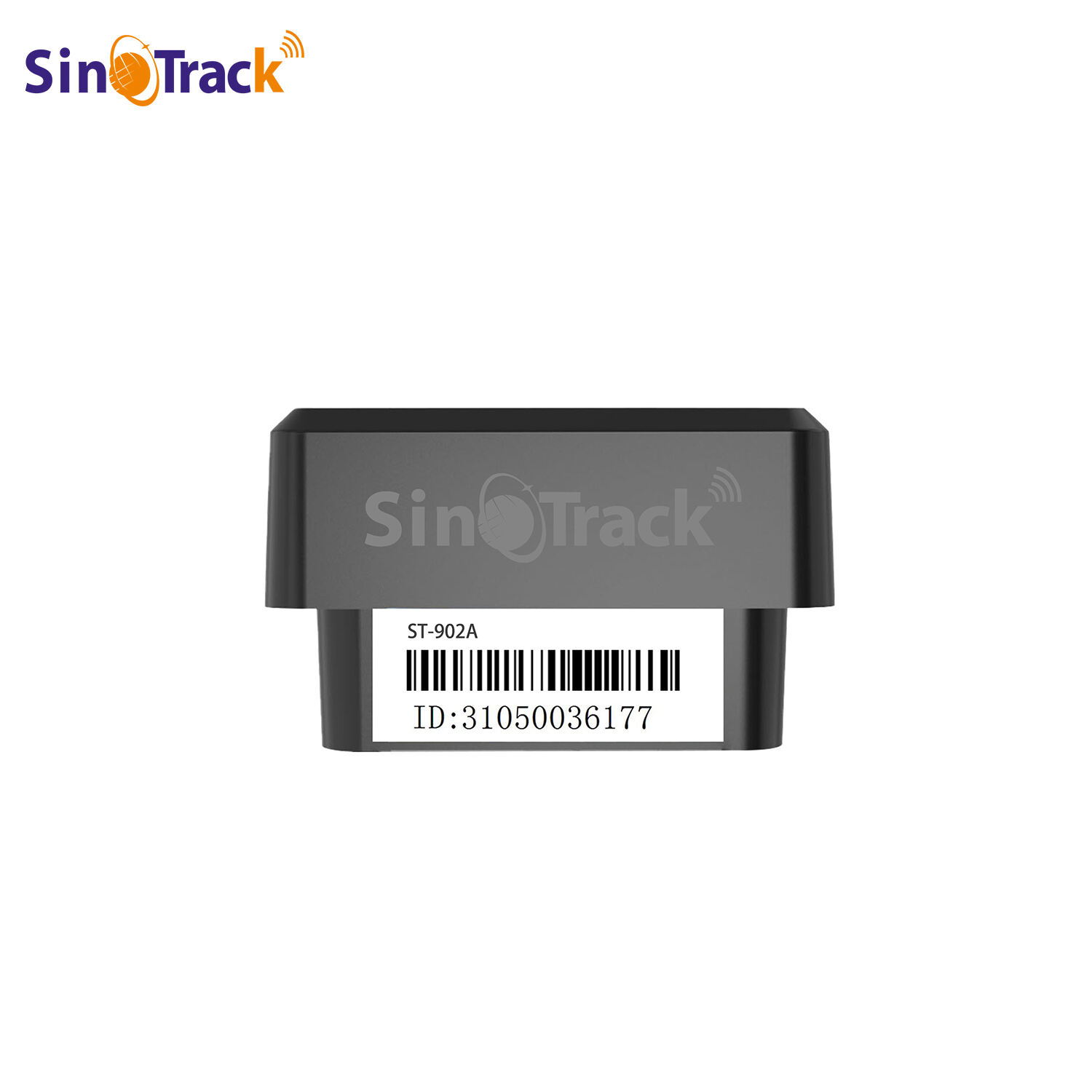
إن تعظيم عمر بطارية جهاز التتبع المحمول عبر نظام تحديد المواقع العالمي (GPS) أمرٌ بالغ الأهمية للحفاظ على مراقبة موثوقة للموقع وضمان كفاءة تشغيلية مستمرة. فسواء كنت تتبع مركبات أو أصولاً أو أفراداً، فإن فهم كيفية تحسين استهلاك الطاقة يمكن أن يطيل بشكل كبير من فترات النشر ويقلل من متطلبات الصيانة. ويؤثر عمر بطارية جهاز التتبع المحمول عبر نظام تحديد المواقع العالمي (GPS) مباشرةً على موثوقية التتبع والتكاليف التشغيلية والفعالية العامة للنظام في مختلف التطبيقات الصناعية والتجارية.
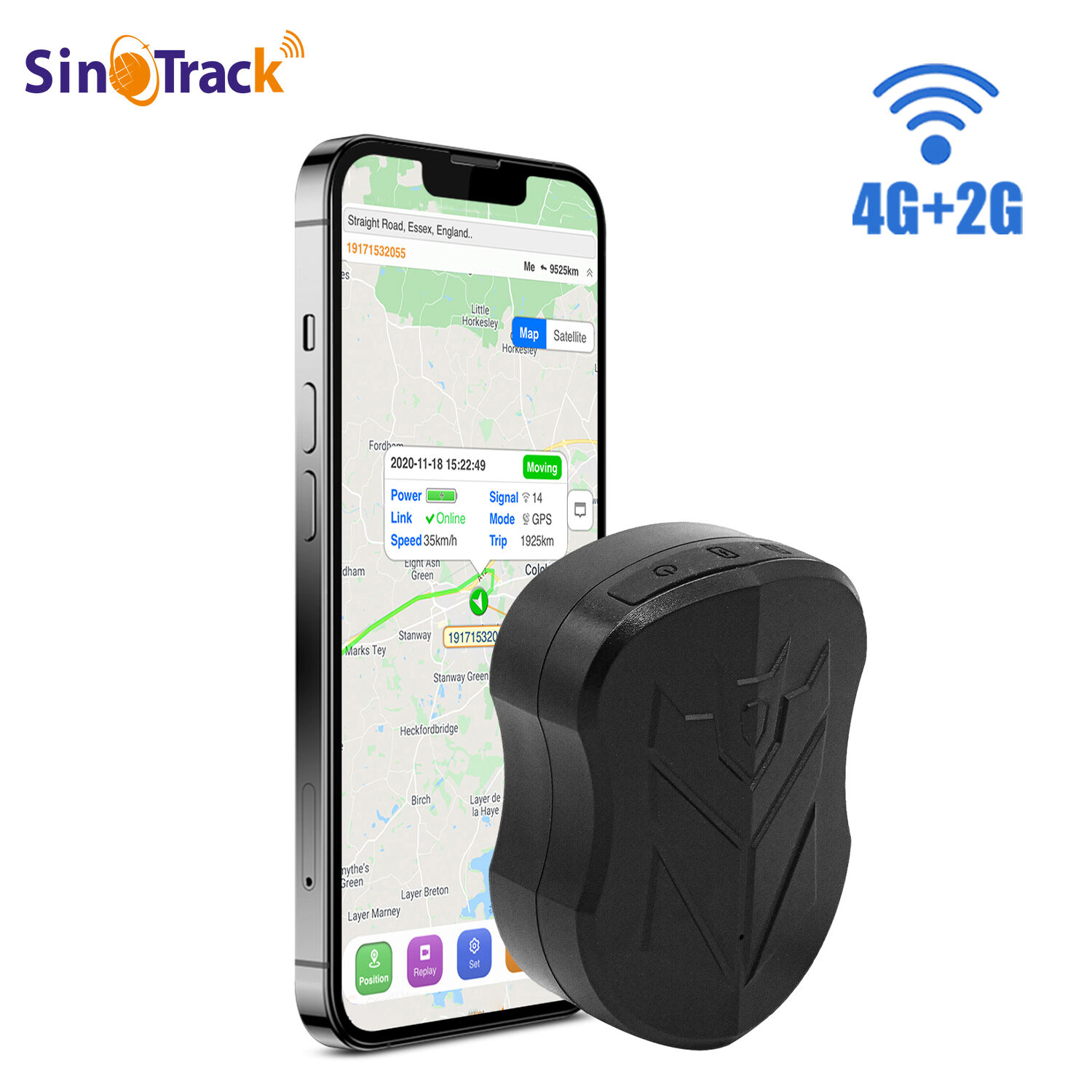
يعتمد أداء البطارية في تطبيقات التتبع عبر نظام تحديد المواقع العالمي (GPS) على عوامل متعددة، من بينها تردد الإرسال ومتطلبات قوة الإشارة والظروف البيئية وإعدادات تهيئة الجهاز. وتضم أجهزة التتبع المحمولة الحديثة عبر نظام تحديد المواقع العالمي تقنيات متطورة لإدارة الطاقة، لكن تطبيق أساليب التحسين المناسبة يمكن أن يطيل عمر البطارية من عدة أسابيع إلى عدة أشهر. ويُمكّن فهم هذه المبادئ الأساسية المستخدمين من تحقيق أقصى كفاءة تشغيلية مع الحفاظ على دقة القدرة على التتبع في سيناريوهات النشر المتنوعة.
المبادئ الأساسية لإدارة الطاقة
فهم أنماط استهلاك الطاقة في أنظمة التتبع عبر نظام تحديد المواقع العالمي (GPS)
تستهلك أجهزة تتبع نظام تحديد المواقع العالمي (GPS) الطاقة من خلال عدة وظائف رئيسية، تشمل اكتساب إشارات الأقمار الصناعية، ونقل البيانات الخلوية، والعمليات الداخلية للمعالجة. وعادةً ما يستهلك جهاز التتبع المحمول لنظام تحديد المواقع العالمي (GPS) أكبر قدر من الطاقة أثناء مراحل تحديد المواقع النشطة عبر نظام GPS ونقل البيانات. فعملية اكتساب الإشارة تتطلب اتصالاً مستمراً مع عدة أقمار صناعية، في حين أن نقل البيانات عبر الشبكة الخلوية يتطلب طرقات طاقة كبيرة لتحميل بيانات الموقع إلى خوادم المراقبة.
وتتفاوت استهلاك الطاقة بشكل كبير اعتماداً على تكرار التتبع وفترات الإبلاغ. فعلى سبيل المثال، سيستهلك جهاز التتبع المحمول لنظام تحديد المواقع العالمي (GPS) الذي تم ضبطه لتتبع فوري كل دقيقة طاقةً أكبر بكثير مما يستهلكه جهازٌ آخر مضبوطٌ للإبلاغ كل ساعة أو يومياً. كما أن العوامل البيئية مثل مدى رؤية الأقمار الصناعية، وقوة الإشارة الخلوية، ودرجة الحرارة المحيطة تؤثر تأثيراً كبيراً في متطلبات الطاقة الإجمالية ومعدل استنزاف البطارية.
تتضمن الأجهزة الحديثة أوضاع النوم وأنظمة إدارة الطاقة الذكية التي تقلل من استهلاك الطاقة خلال الفترات غير النشطة. ويتيح فهم أنماط الاستهلاك هذه للمستخدمين ضبط جهاز تتبع GPS المحمول الخاص بهم لتحقيق التوازن الأمثل بين دقة التتبع وطول عمر البطارية، مما يضمن تشغيلًا موثوقًا به طوال فترات النشر الممتدة.
تكنولوجيا البطاريات واعتبارات السعة
تُستخدم بطاريات الليثيوم-أيون عادةً في تطبيقات تتبع GPS، وهي تتميّز بكثافة طاقة ممتازة وخصائص تفريغ مناسبة للتطبيقات المحمولة. وترتبط سعة البطارية، التي تقاس بوحدة الملي أمبير-ساعة (mAh)، ارتباطًا مباشرًا بالمدة التشغيلية المحتملة تحت ظروف استخدام محددة. ويمكن لبطاريات السعة العالية في وحدات أجهزة تتبع GPS المحمولة المتميزة أن توفر أسابيع أو حتى شهورًا من التشغيل، وذلك حسب إعدادات الجهاز والعوامل البيئية.
تؤثر درجة الحرارة تأثيرًا كبيرًا على أداء البطارية، حيث تقلل الظروف الباردة من سعة البطارية، بينما قد تؤدي البيئات الحارة إلى تدهور صحة البطارية على المدى الطويل. وتشمل صيانة البطارية السليمة تجنب دورات التفريغ الكامل، وتخزين الأجهزة ضمن نطاقات درجات الحرارة الموصى بها عند عدم الاستخدام الفعلي. وتُحافظ البطاريات عالية الجودة على جهد خرجٍ ثابت طوال دورة التفريغ الخاصة بها، مما يضمن تشغيلًا موثوقًا لجهاز تتبع GPS المحمول حتى يصبح استبدال البطارية ضروريًّا.
يحدث تقدم عمر البطارية بشكل طبيعي مع مرور الوقت وعدد دورات الشحن، ما يؤدي تدريجيًّا إلى خفض السعة القصوى ومدة التشغيل. ويُساعد الرصد المنتظم لأداء البطارية في التنبؤ بموعد الحاجة إلى الاستبدال، ومنع انقطاعات التتبع غير المتوقعة أثناء فترات المراقبة الحرجة. كما أن اختيار الأجهزة المزودة ببطاريات قابلة للاستبدال يوفِّر مزايا تكلفة على المدى الطويل ومرونة تشغيلية في سيناريوهات النشر الممتدة.
استراتيجيات التكوين المثلى
تحسين فترة الإرسال
يُعدّ تعديل وتيرة الإبلاغ الطريقة الأمثل لإطالة عمر بطارية جهاز تتبع نظام تحديد المواقع العالمي (GPS) المحمول مع الحفاظ على تغطية رصد كافية. توفر فترات التتبع في الوقت الفعلي، التي تتراوح بين دقيقة وخمس دقائق، أعلى مستوى من الرؤية، ولكنها تستهلك طاقة أكبر بكثير من جداول الإبلاغ التي تُجرى كل ساعة أو يوميًا. يساعد تحليل متطلبات التتبع المحددة في تحديد التوازن الأمثل بين احتياجات الرصد والحفاظ على البطارية.
وتستفيد العديد من التطبيقات من استراتيجيات الإبلاغ التكيفية التي تزيد من تكرار الإرسال أثناء فترات الحركة، بينما تقلل من عدد التقارير أثناء فترات الثبات. ويضمن هذا النهج الذكي تتبعاً تفصيلياً خلال الفترات التشغيلية الحرجة، مع ترشيد استهلاك طاقة البطارية أثناء الفترات غير النشطة. كما توفر وحدات أجهزة التتبع المحمولة عبر نظام تحديد المواقع العالمي (GPS) المتقدمة محفزات قابلة للبرمجة استناداً إلى كشف الحركة أو الجداول الزمنية أو حدود السياج الجغرافي (Geofence).
يُوصى بتطبيق جداول تقارير مختلفة لمختلف السيناريوهات التشغيلية. فقد تتطلب المركبات التابعة للأسطول تحديثات متكررة خلال ساعات العمل الرسمية، مع تقليل معدل التحديثات ليلًا، في حين قد تحتاج تطبيقات تتبع الأصول إلى تقارير حالة يومية فقط ما لم يُكشف عن أي حركة. ويؤدي تخصيص فترات الإرسال وفقًا لحالات الاستخدام المحددة إلى تعظيم كفاءة التتبع ومدى عمر البطارية على حدٍّ سواء.
قوة الإشارة وموضع الهوائي
يؤثر موضع الهوائي الأمثل تأثيرًا كبيرًا على سرعة اكتساب إشارات نظام تحديد المواقع العالمي (GPS) وكفاءة الإرسال الخلوي، مما يؤثر مباشرةً على أنماط استهلاك البطارية. فجهاز التتبع المحمول عبر نظام تحديد المواقع العالمي (GPS)، الذي يتمتع برؤية واضحة للسماء، يلتقط إشارات الأقمار الصناعية بشكل أسرع ويحافظ على اتصالات أقوى، مما يقلل من متطلبات الطاقة اللازمة لتحديد الموقع. أما وضع الهوائي في مكان غير مناسب فيجبر الجهاز على بذل جهد أكبر، ما يؤدي إلى استهلاك طاقة زائدة من البطارية وقد يقلل في الوقت نفسه من دقة التتبع.
وبالمثل، تؤثر قوة إشارة الشبكة الخلوية على متطلبات طاقة الإرسال ومعدلات استنزاف البطارية. ويجب أن ترفع الأجهزة العاملة في المناطق ذات التغطية الخلوية الضعيفة من طاقة الإرسال للحفاظ على اتصالٍ موثوقٍ بخوادم المراقبة. أما تركيب جهاز تتبع الموقع الجغرافي المحمول في مواقع تتمتع باستقبال خلوي مثالي فيقلل من استهلاك الطاقة ويعزز موثوقية إرسال البيانات.
تُضعف الحاويات المعدنية أو التركيبات تحت سطح الأرض أو البيئات ذات التدريع العالي بشكل كبير استقبال كلٍّ من إشارات نظام تحديد المواقع العالمي (GPS) والإشارات الخلوية. وتؤدي هذه الظروف الصعبة إلى اضطرار جهاز التتبع لاستهلاك طاقة إضافية في محاولة إقامة روابط اتصال والحفاظ عليها. وعند الإمكان، فإن وضع الأجهزة في مواقع تتيح لها وصولاً واضحاً إلى إشارات الأقمار الصناعية والإشارات الخلوية يحسّن بشكل كبير أداء البطارية وموثوقية التشغيل.
تقنيات التحسين البيئي
استراتيجيات إدارة درجة الحرارة
تؤثر درجات الحرارة القصوى تأثيرًا كبيرًا على أداء بطارية جهاز التتبع المحمول عبر نظام تحديد المواقع العالمي (GPS) وموثوقية النظام ككل. فتقلل درجات الحرارة المنخفضة سعة البطارية وتُبطئ التفاعلات الكيميائية داخل خلايا الليثيوم-أيون، ما يؤدي فعليًّا إلى تقصير مدة التشغيل بين الشحنات. وعلى العكس من ذلك، فإن ارتفاع درجات الحرارة بشكل مفرط يُسرّع من تدهور البطارية وقد يتسبب في فشلها المبكر أو في مخاوف تتعلق بالسلامة أثناء عمليات النشر الطويلة.
ويشمل التثبيت السليم أخذ متطلبات الحماية الحرارية والتهوية في الاعتبار للأجهزة المتتبعة التي تُنصب في البيئات القاسية. ويمكن أن تحمي الأغلفة العازلة هذه الأجهزة من درجات الحرارة القصوى مع السماح بتدفُّق هواء كافٍ لمنع ارتفاع درجة الحرارة أثناء الشحن أو فترات النشاط العالي. كما تستفيد بعض التطبيقات من حزم البطاريات الخارجية الموضعَة في مواقع أكثر استقرارًا من حيث درجة الحرارة، مع الحفاظ على اتصالها بالوحدة الأساسية للتتبع.
تساعد التعديلات الموسمية لمعلمات التتبع في تعويض التغيرات في الأداء الناجمة عن درجات الحرارة. فقد تتطلب عمليات النشر في فصل الشتاء دورات شحن أكثر تكرارًا أو فترات إبلاغ مُقلَّصة لمراعاة انخفاض سعة البطارية. أما التركيبات الصيفية فقد تستفيد من تعديل جداول الشحن لتجنب فترات الذروة الحرارية وتقليل الإجهاد الحراري المُطبَّق على مكونات جهاز التتبع المحمول عبر نظام تحديد المواقع العالمي (GPS).
الحماية المادية واعتبارات التثبيت
يحمي التثبيت المادي السليم أجهزة التتبع من الأضرار البيئية، مع تحسين استقبال الإشارة وأداء البطارية في آنٍ واحد. وتمنع الحاويات المقاومة للماء تسرب الرطوبة الذي قد يؤدي إلى التآكل أو الأعطال الكهربائية، بينما تحمي أنظمة التثبيت المقاومة للصدمات الأجهزة من الضرر الناتج عن الاهتزازات في التطبيقات المتنقلة. وتضمن ممارسات التثبيت عالية الجودة التشغيل الموثوق به على المدى الطويل، وتمنع حدوث أعطال مبكرة في البطارية أو النظام.
توفر أنظمة التثبيت المغناطيسية خيارات مريحة للتركيب على الأسطح المعدنية مع الحفاظ على اتجاه الهوائي المناسب لاستقبال الإشارة الأمثل. ومع ذلك، قد تؤثر المجالات المغناطيسية القوية تأثيرًا محتملًا على المكونات الداخلية أو وظائف البوصلة في بعض طرازات أجهزة تتبع GPS المحمولة. ويساعد فهم مواصفات الجهاز والاعتبارات البيئية في اختيار طرق التثبيت المناسبة للتطبيقات المحددة.
يساعد الفحص الدوري والصيانة الدورية لأجهزة التتبع المُركَّبة في اكتشاف المشكلات المحتملة قبل أن تؤثر على أداء البطارية أو موثوقية التتبع. ويشمل ذلك التحقق من ثبات التثبيت، وفحص ختم الغلاف، والتأكد من بقاء وضع الهوائي مثاليًّا. وتُطيل الصيانة الوقائية عمر كلٍّ من الجهاز والبطارية، مع ضمان أداء تتبعٍ ثابتٍ طوال فترة التشغيل.
طرق متقدمة لترشيد استهلاك الطاقة
إعداد وضع السكون ومحفزات الاستيقاظ
تضم أجهزة التتبع المحمولة الحديثة المزودة بنظام تحديد المواقع العالمي (GPS) وحدات تُدمج أوضاع نوم متطورة تقلل استهلاك الطاقة بشكل كبير خلال الفترات غير النشطة. ويمكن أن تمتد مدة عمر البطارية إلى أسابيع أو شهور بفضل وظيفة النوم العميق، التي تقوم بإيقاف تشغيل الأنظمة غير الضرورية مع الحفاظ على أقل قدر ممكن من استهلاك الطاقة لتشغيل محفِّزات الاستيقاظ والوظائف الداخلية للساعة. ويحقِّق ضبط وضع النوم بشكلٍ سليم توازنًا بين ترشيد استهلاك الطاقة ومتطلبات زمن الاستجابة الخاصة بتطبيقات التتبع المختلفة.
ويمكن أن تشمل محفِّزات الاستيقاظ كشف الحركة، أو الفترات الزمنية المجدولة مسبقًا، أو إشارات الإدخال الخارجية، أو أوامر التفعيل عن بُعد. وتوفِّر محفِّزات الاستيقاظ القائمة على الحركة ترشيدًا ممتازًا في استهلاك الطاقة في تطبيقات تتبع الأصول، حيث يشير حدوث الحركة إلى الحاجة إلى المراقبة النشطة. أما الفترات الزمنية المجدولة للاستيقاظ فتكفل تقديم تقارير حالة دورية مع الحفاظ على فترات نوم طويلة بين جلسات التتبع النشطة.
تستفيد بعض التطبيقات من أوضاع النوم المتسلسلة التي تقلل استهلاك الطاقة تدريجيًّا بناءً على مدة عدم النشاط. فقد يؤدي توقف الحركة الأولي إلى تفعيل تقليل تكرار الإبلاغ، يليه الانتقال إلى أوضاع نوم أعمق بعد فترات توقف طويلة. جهاز تتبع GPS محمول الوحدات المزودة بإدارة ذكية للطاقة تقوم تلقائيًّا بتحسين أنماط الاستهلاك استنادًا إلى سجل الاستخدام والظروف البيئية.
ضغط البيانات وتحسين الإرسال
تؤثر بروتوكولات إرسال البيانات الفعَّالة تأثيرًا كبيرًا في متطلبات طاقة الإرسال الخلوي واستهلاك البطارية الكلي. وتقلل تقنيات ضغط البيانات من وقت الإرسال ومتطلبات الطاقة عبر تقليل كمية المعلومات المرسلة في كل جلسة اتصال. ويمكن لأنظمة أجهزة التتبع المحمولة المتطورة المزودة بتقنية GPS ضغط بيانات الموقع ومعلومات الحالة والتقارير التشخيصية لتحسين استخدام بيانات الاتصال الخلوي وعمر البطارية.
تجمع استراتيجيات إرسال الدفعات عدة نقاط بيانات قبل بدء الاتصال الخلوي، مما يقلل العدد الإجمالي لعمليات الإرسال والاستهلاك المرتبط بالطاقة. وبدلًا من إرسال تقارير فردية لكل موقع GPS، يمكن للجهاز تجميع بيانات التتبع على مدار عدة ساعات أو أيام ثم رفعها دفعة واحدة في جلسة إرسال واحدة. وتستفيد هذه الطريقة بشكل خاص التطبيقات التي تتسم بمرونة في متطلبات الإبلاغ وفترات النشر الممتدة.
يؤثر اختيار بروتوكول الشبكة على كلٍّ من موثوقية الإرسال وأنماط استهلاك الطاقة. وتوفّر الشبكات الخلوية الحديثة مجموعة متنوعة من بروتوكولات الاتصال المُحسَّنة لمختلف التطبيقات، بما في ذلك تقنيات شبكات المنطقة الواسعة منخفضة الطاقة (LPWAN) المصممة خصيصًا لتطبيقات إنترنت الأشياء (IoT) والتعقُّب. ويمكن أن يؤدي اختيار البروتوكولات المناسبة لحالات نشر أجهزة التعقُّب المحمولة عبر نظام تحديد المواقع العالمي (GPS) إلى تمديد عمر البطارية بشكل كبير مع الحفاظ على قدرات الاتصال الموثوقة.
الأسئلة الشائعة
كم يجب أن تدوم بطارية جهاز تتبع GPS محمول عادةً؟
تتفاوت مدة عمر البطارية بشكل كبير اعتمادًا على التكوين والظروف البيئية وأنماط الاستخدام. وبإعدادات مُحسَّنة، يمكن لأجهزة تتبع GPS المحمولة عالية الجودة أن تعمل لمدة تتراوح بين شهرين و4 أشهر بشحنة واحدة، في حين قد تتطلب تطبيقات التتبع الفوري شحنًا أسبوعيًّا أو كل أسبوعين. أما الأجهزة المزوَّدة ببطاريات أكبر وإدارة فعَّالة للطاقة فهي قادرة على تحقيق مدة انتظار تصل إلى 6 أشهر أو أكثر مع جداول إبلاغ دورية.
ما العوامل التي تؤثر تأثيرًا كبيرًا جدًّا على استنزاف بطارية جهاز التتبع GPS؟
تمثل تردد الإرسال العامل الرئيسي المؤثر في استهلاك البطارية، يليه وقت اكتساب إشارات نظام تحديد المواقع العالمي (GPS) وقوة إشارة الشبكة الخلوية. فعلى سبيل المثال، يستهلك جهاز تتبع GPS محمولٌ يُرسل التقارير كل دقيقة طاقةً تزيد بنسبة ١٠–٢٠ ضعفًا عما يستهلكه جهازٌ يُرسل التقارير مرةً واحدةً كل ساعة. كما أن ضعف تغطية الشبكة الخلوية، وانسداد إشارات نظام تحديد المواقع العالمي (GPS)، ودرجات الحرارة القصوى تؤدي جميعها إلى زيادة ملحوظة في استهلاك الطاقة وتقليل المدة التشغيلية بين عمليات الشحن.
هل يمكن لمصادر الطاقة الخارجية تمديد مدة تشغيل جهاز التتبع باستخدام نظام تحديد المواقع العالمي (GPS)؟
يمكن لمصادر الطاقة الخارجية — مثل الألواح الشمسية، أو وصلات طاقة المركبات، أو حزم البطاريات الموسَّعة — أن توفر تشغيلاً غير محدود لتطبيقات أجهزة التتبع باستخدام نظام تحديد المواقع العالمي (GPS) الثابتة أو المركبة. وتُعتبر أنظمة الشحن بالطاقة الشمسية فعّالةً بشكل خاص في تركيبات أجهزة التتبع المحمولة باستخدام نظام تحديد المواقع العالمي (GPS) في الأماكن المفتوحة التي تتلقى تعرضًا كافيًا لأشعة الشمس. أما وصلات طاقة المركبات فتوفر تشغيلاً مستمرًا، لكنها تتطلب تركيبًا احترافيًا وتجهيزات مناسبة لإدارة الطاقة لمنع التداخل مع النظام الكهربائي للمركبة.
كيف أعرف متى يحتاج بطارية جهاز تتبع GPS الخاص بي إلى استبدال؟
توفر معظم أجهزة التتبع المحمولة الحديثة الخاصة بنظام GPS تقارير عن حالة البطارية من خلال برامج المراقبة الخاصة بها، مع عرض مستويات الجهد والسعة المتبقية المقدرة. وتشير فترة التشغيل المتناقصة بين كل شحنة وأخرى، أو سلوك الإبلاغ غير المنتظم، أو قراءات الجهد التي تكون أقل من المواصفات المحددة من قِبل الشركة المصنِّعة، إلى الحاجة إلى استبدال البطارية. ويُساعد المراقبة المنتظمة في التنبؤ بالوقت المناسب للاستبدال ومنع انقطاعات التتبع غير المتوقعة أثناء فترات المراقبة الحرجة.