vehicle tracker for business
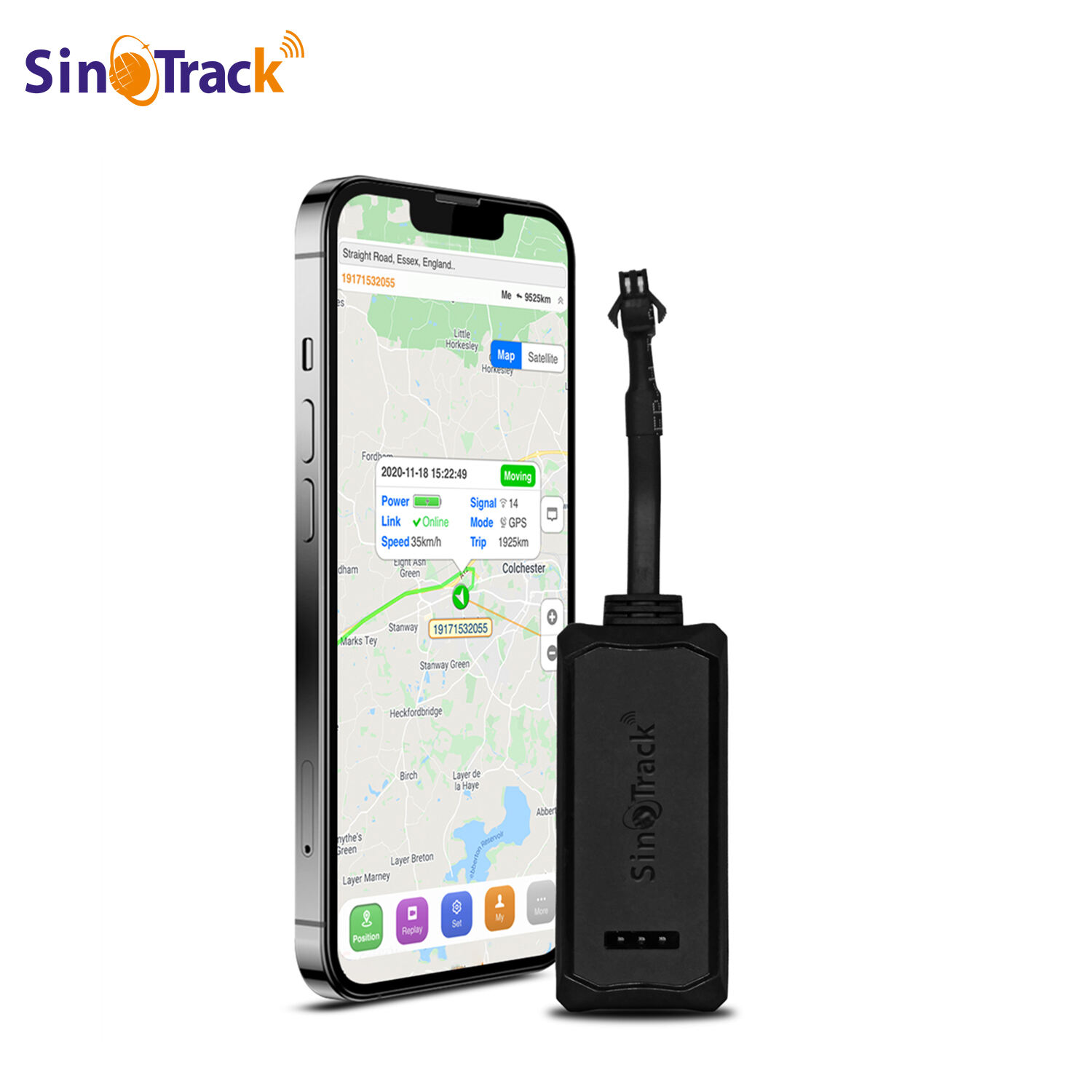
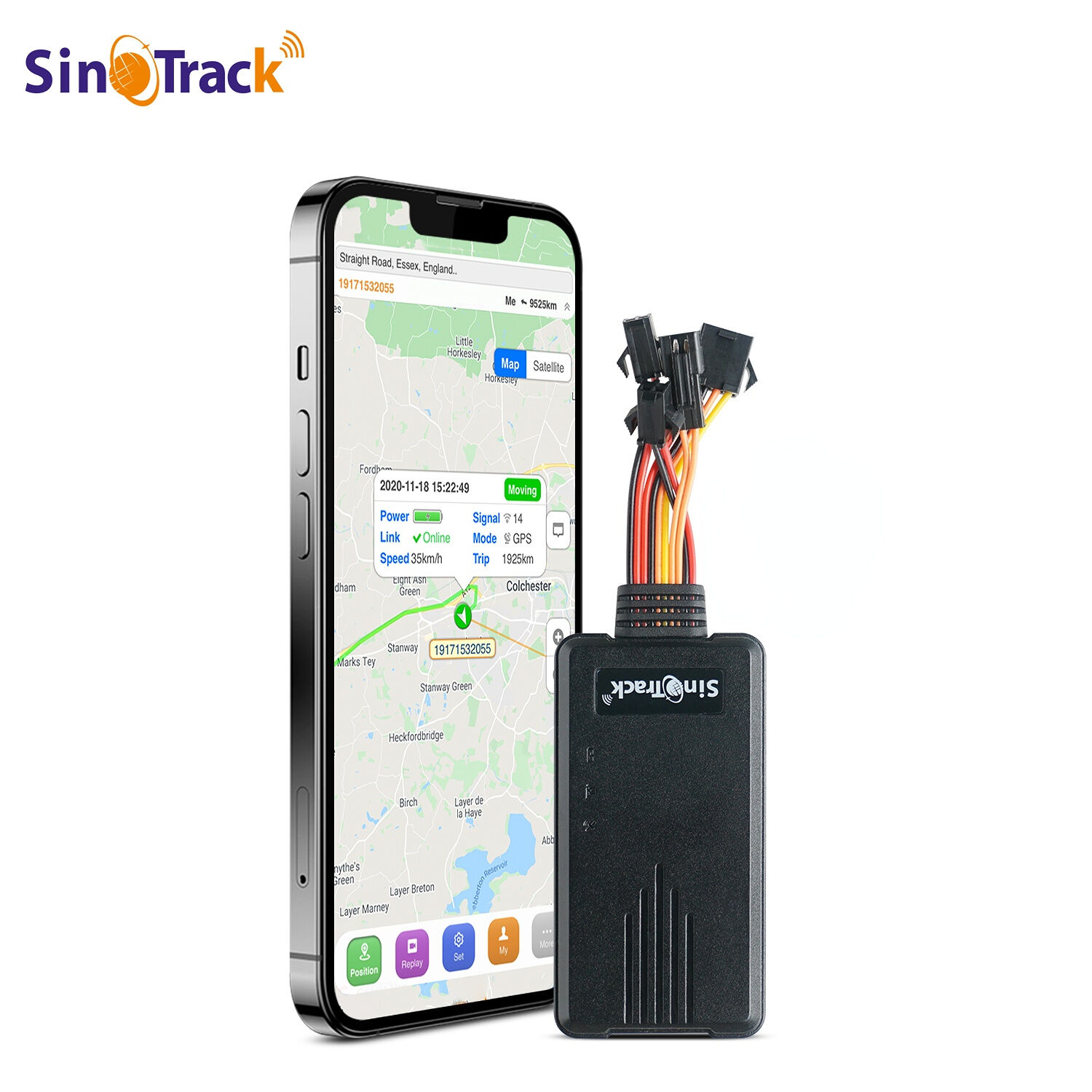
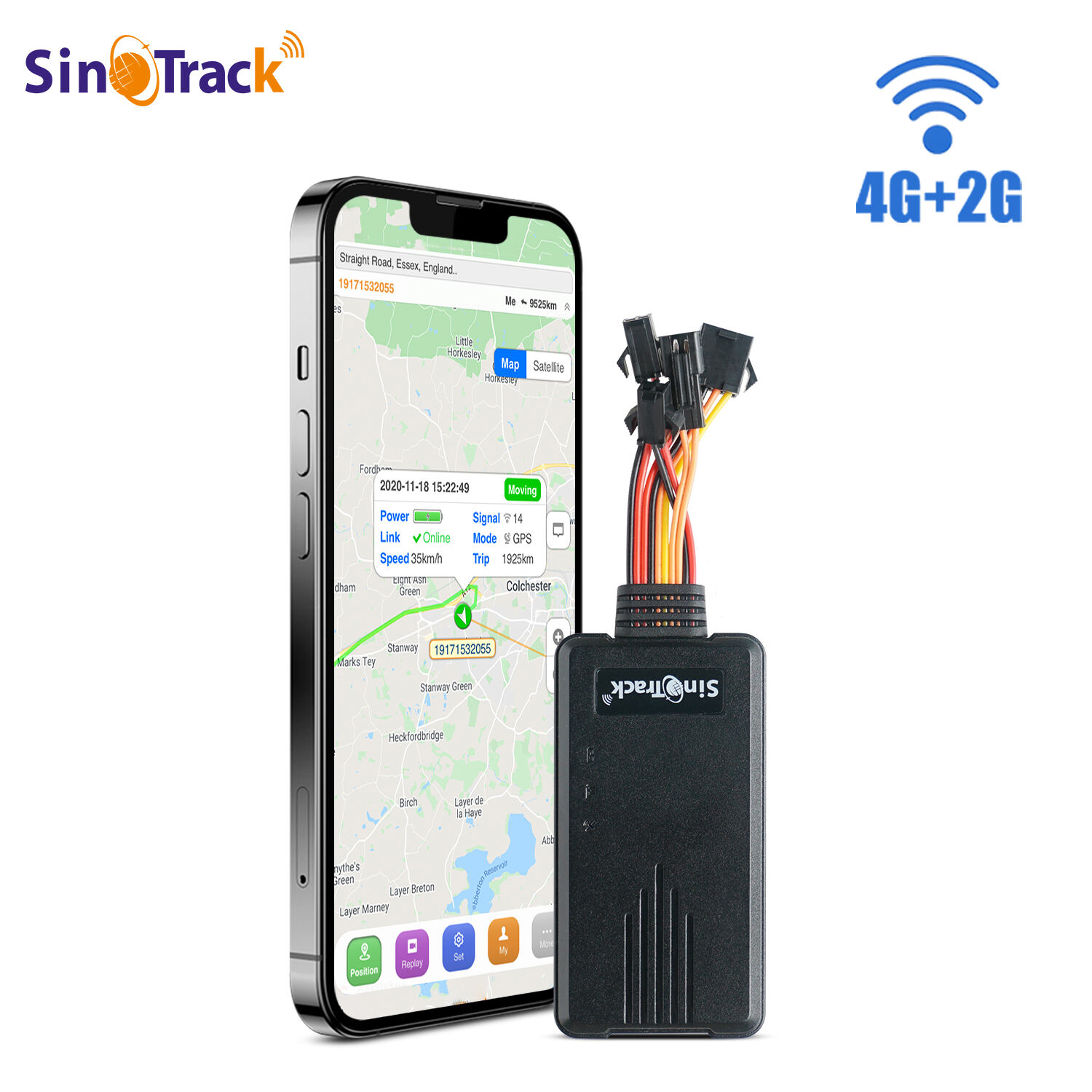
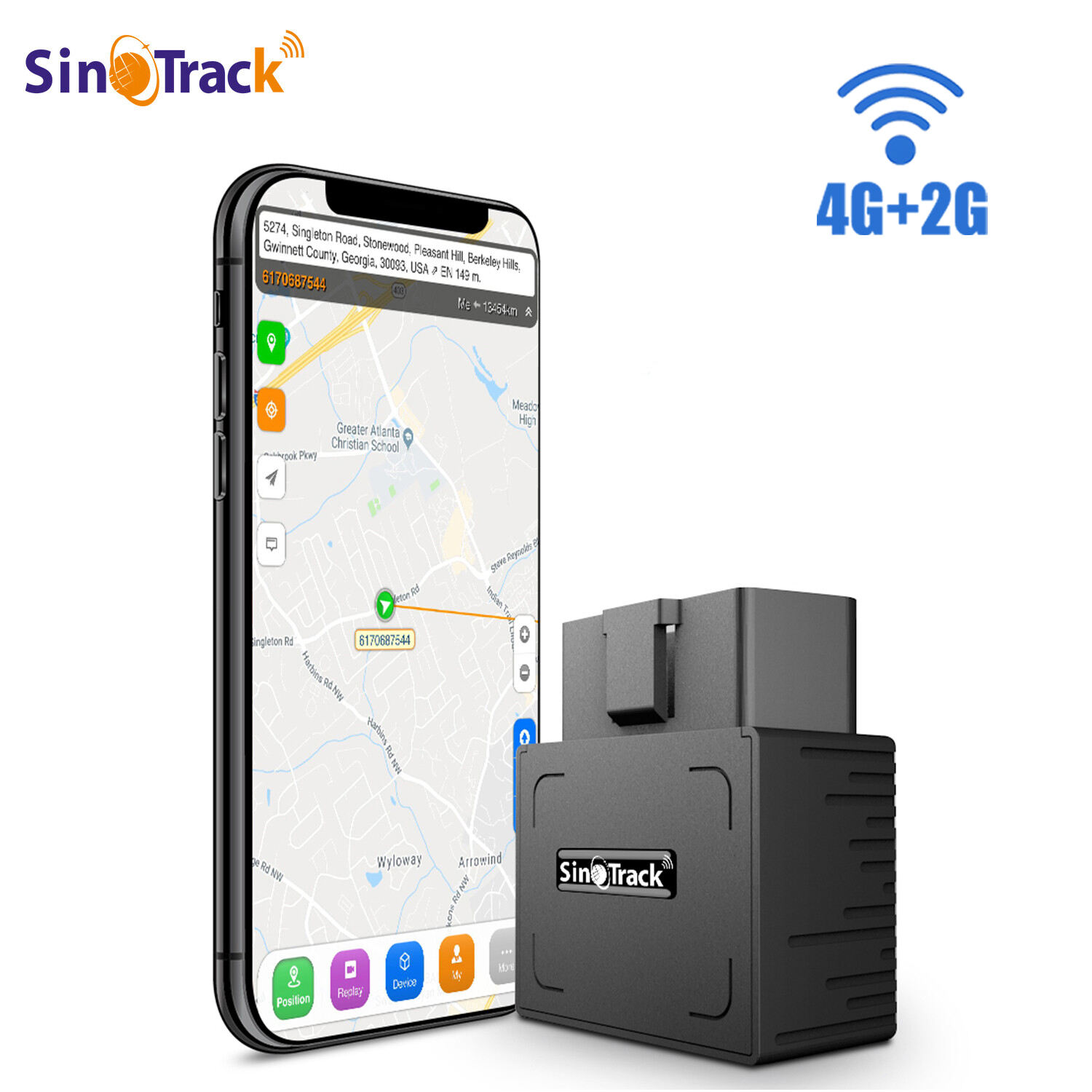
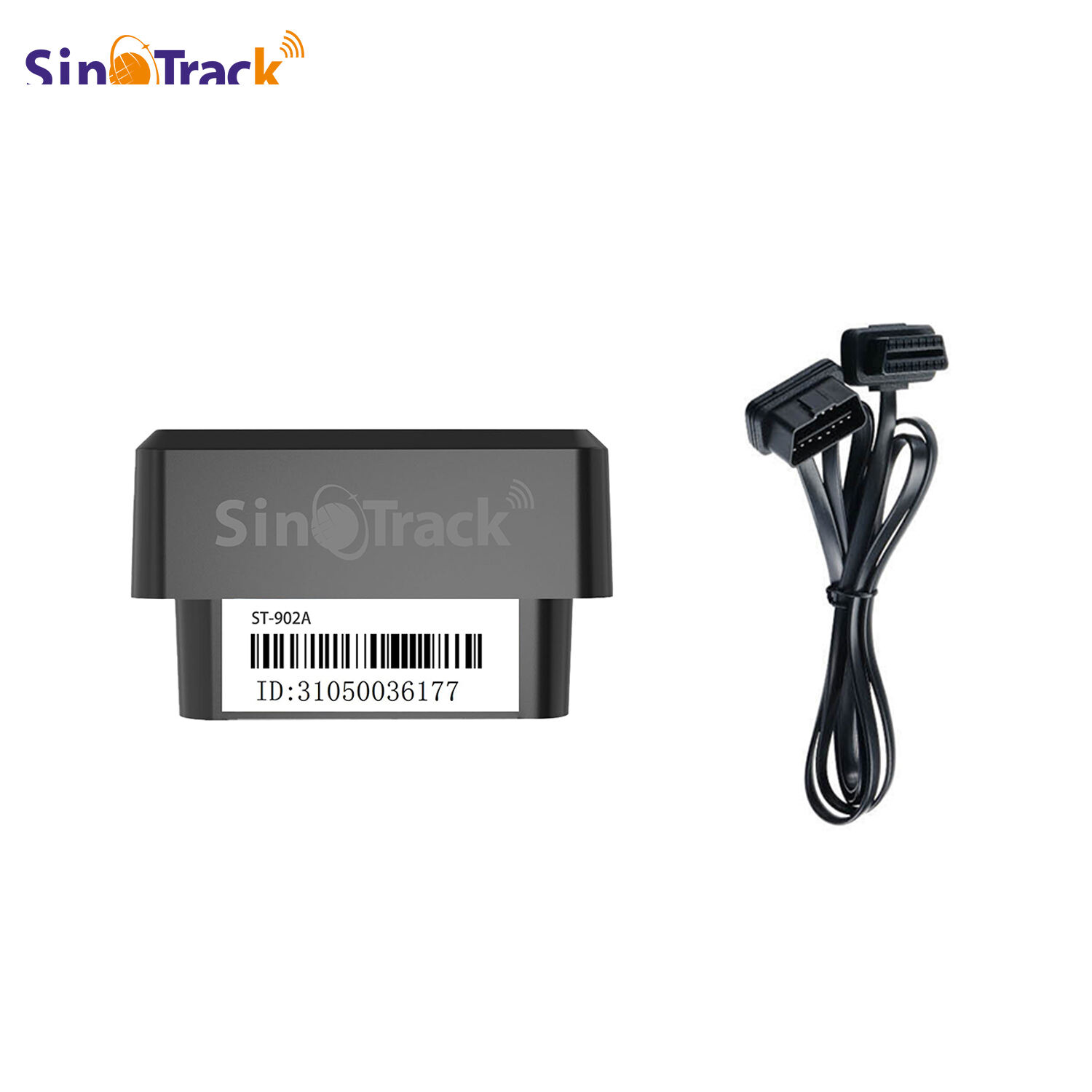
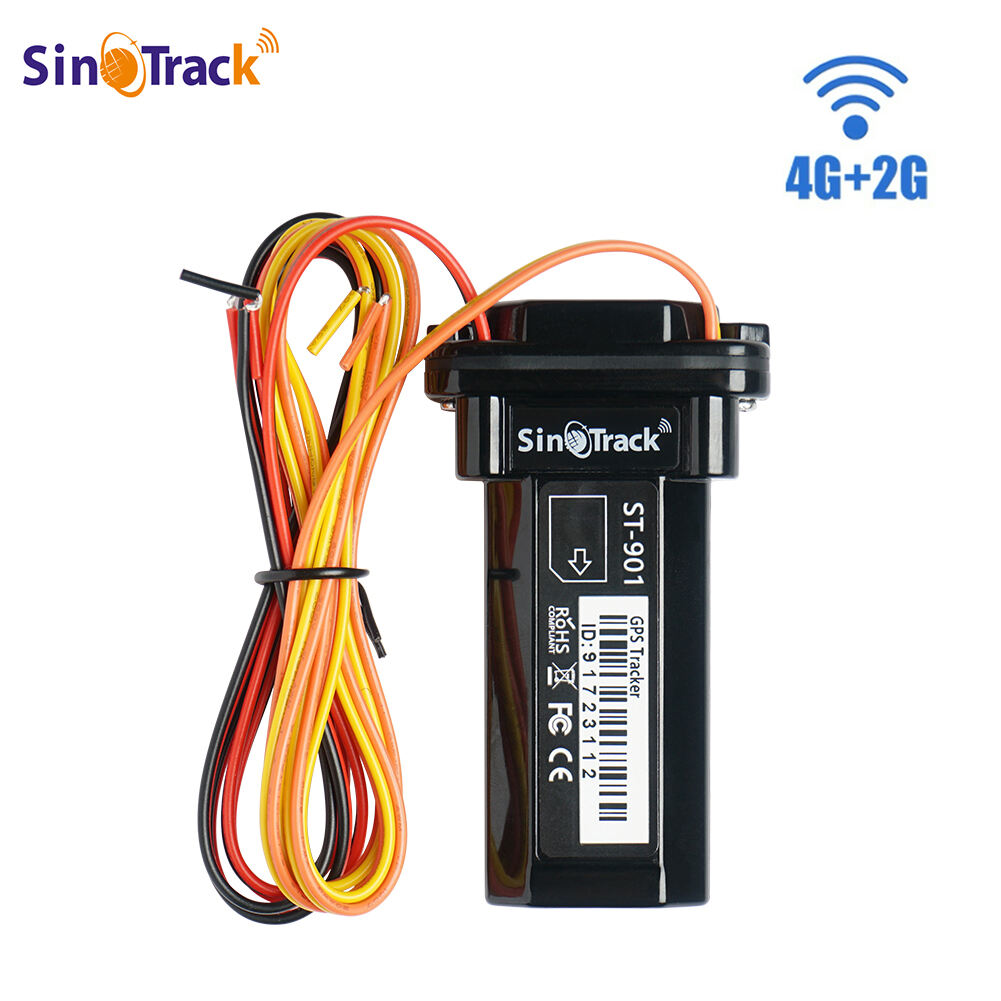
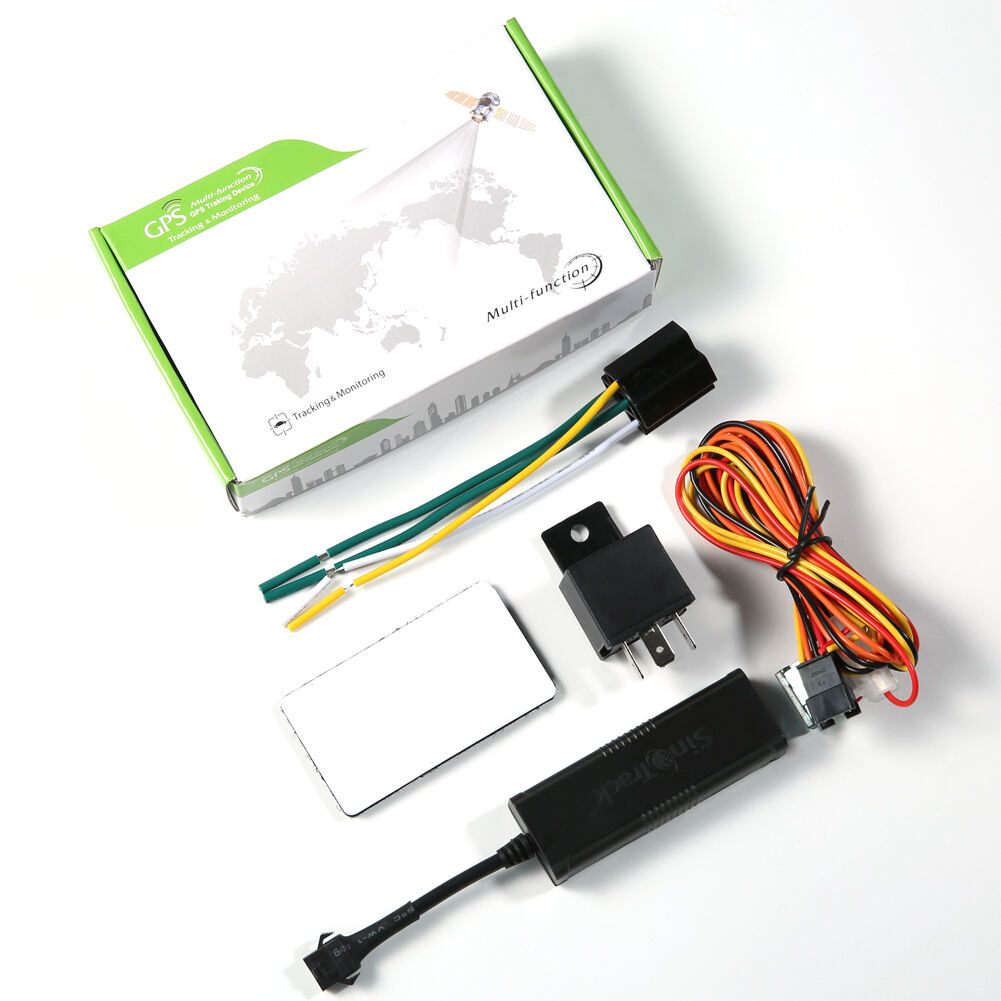
A vehicle tracker for business represents a sophisticated GPS-based monitoring solution designed to enhance fleet management operations across various industries. This advanced technology utilizes satellite positioning systems combined with cellular communication networks to provide real-time location data, driving behavior analytics, and comprehensive fleet oversight capabilities. Modern vehicle tracker for business systems integrate seamlessly with existing operational frameworks, offering managers unprecedented visibility into their mobile assets. The core functionality revolves around continuous position monitoring, enabling businesses to track vehicle locations, routes taken, and arrival times with pinpoint accuracy. These systems typically feature geofencing capabilities, allowing administrators to establish virtual boundaries and receive instant notifications when vehicles enter or exit designated areas. Speed monitoring functions help ensure driver compliance with company policies and legal requirements, while detailed reporting mechanisms provide insights into fuel consumption patterns, maintenance schedules, and overall fleet performance. Advanced vehicle tracker for business solutions incorporate driver identification systems, engine diagnostics, and harsh driving detection features that monitor acceleration, braking, and cornering behaviors. The technology extends beyond basic tracking to include two-way communication systems, panic buttons for emergency situations, and integration capabilities with existing business management software. Cloud-based platforms enable remote access to fleet data through web portals and mobile applications, ensuring managers can monitor operations from anywhere. These comprehensive systems support various vehicle types, from light commercial vehicles to heavy-duty trucks, construction equipment, and specialized service vehicles. The scalability of modern vehicle tracker for business solutions allows organizations to start with basic tracking features and expand functionality as operational needs evolve, making them suitable for businesses ranging from small local service providers to large multinational logistics companies.

 EN
EN