Real-Time Location Monitoring and Route Optimization
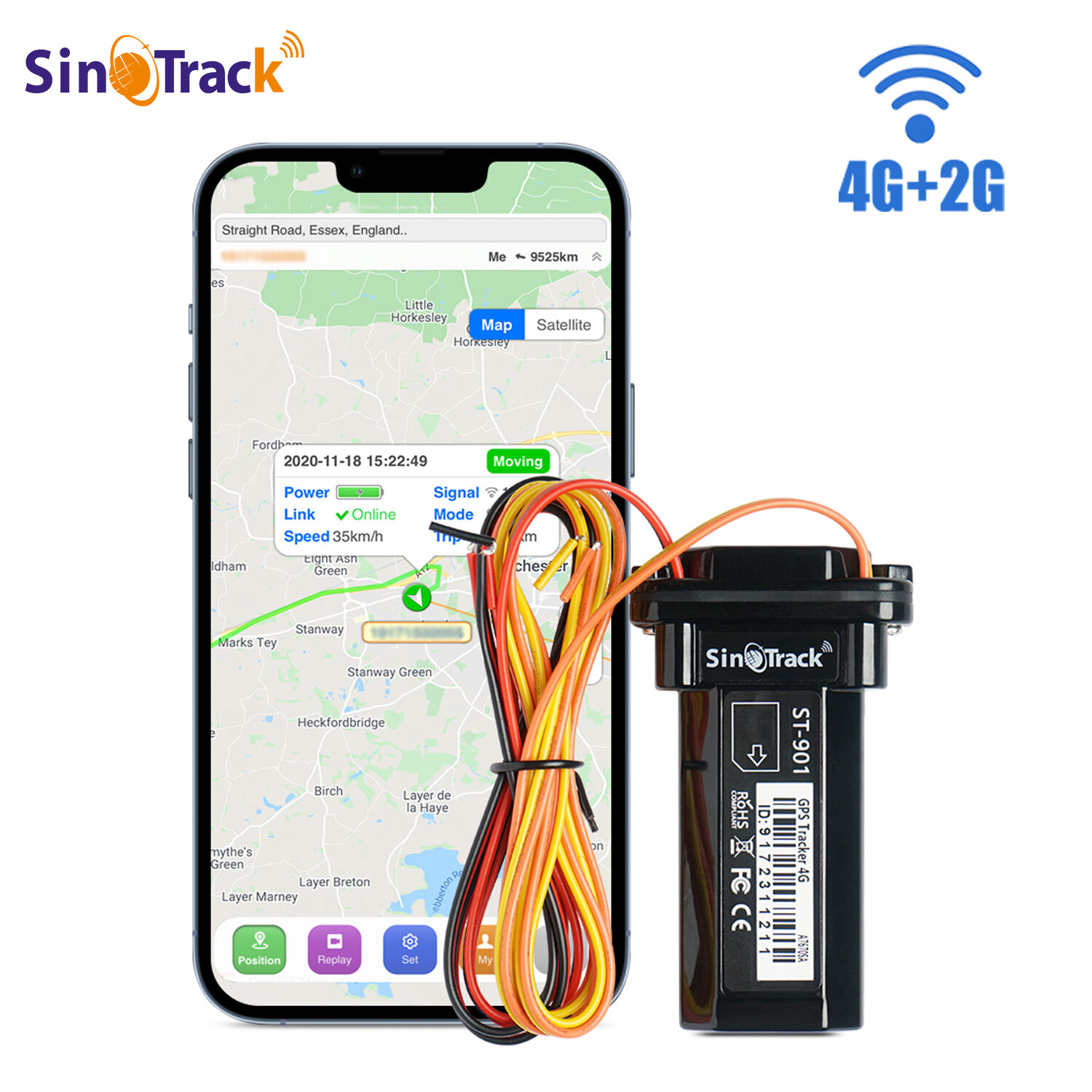
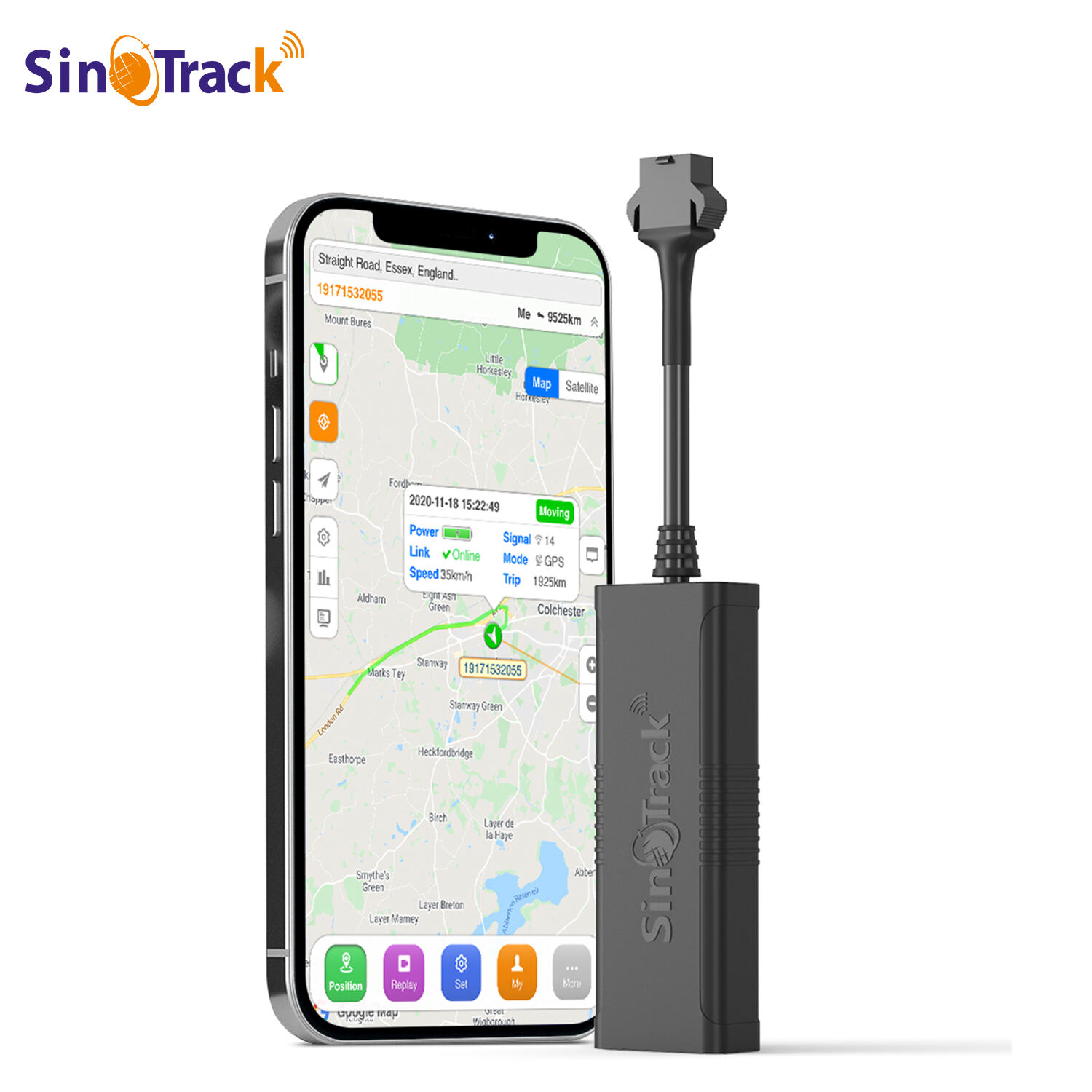
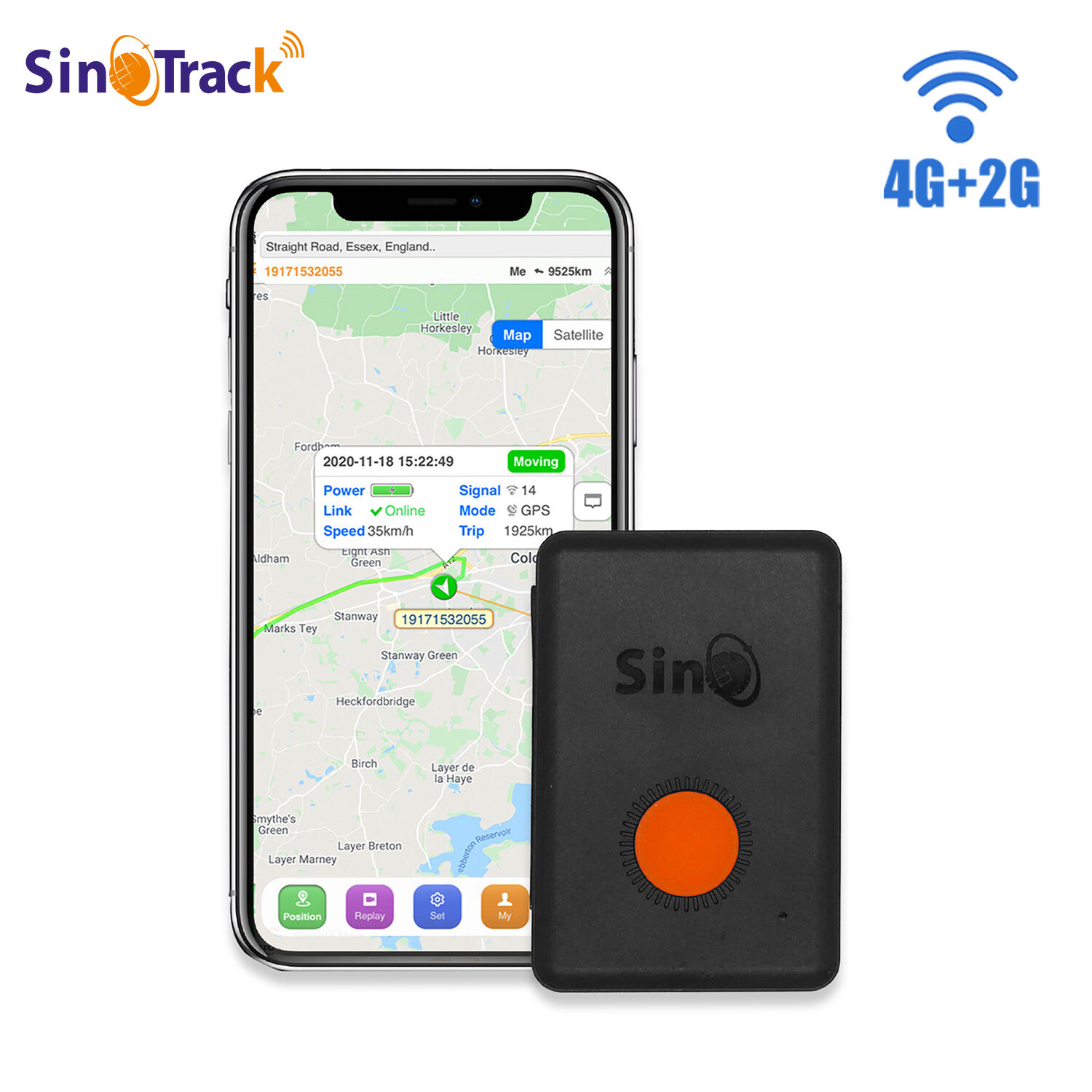
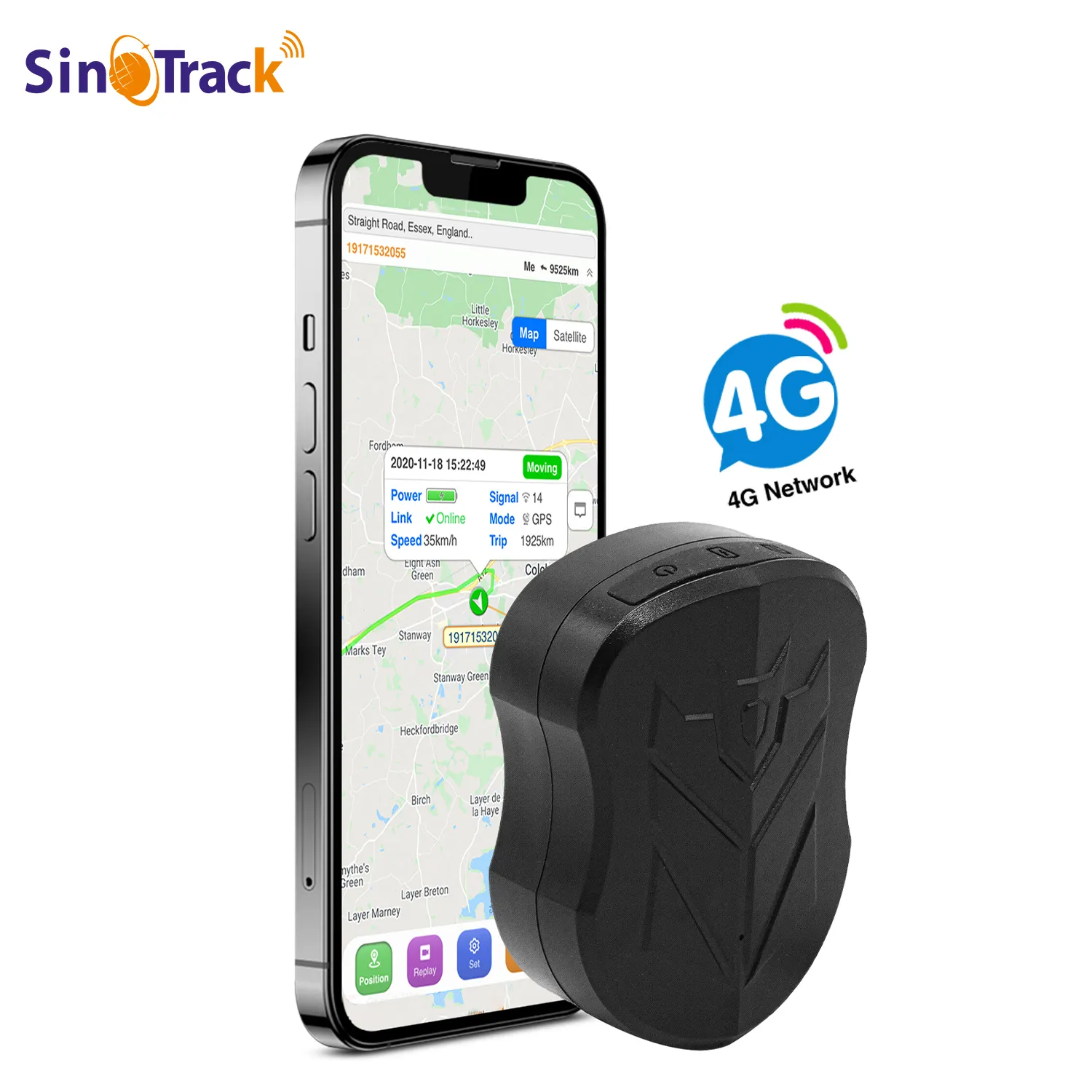
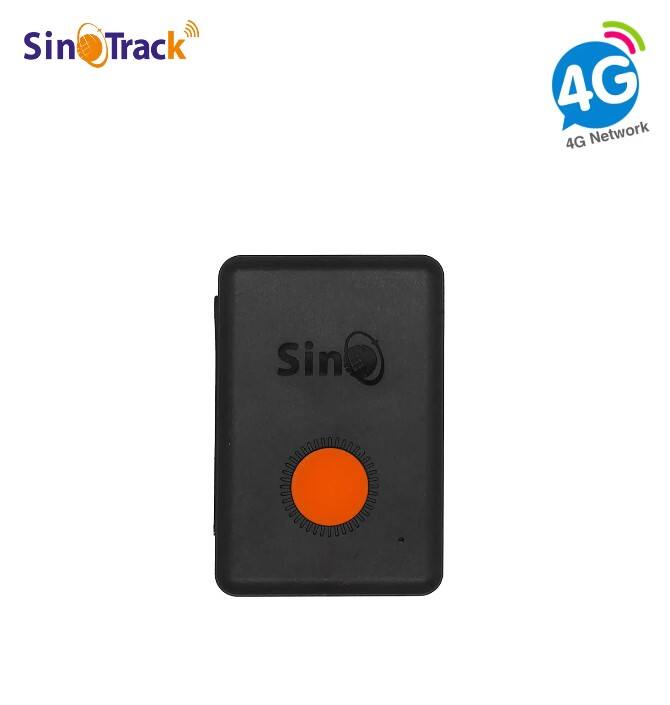
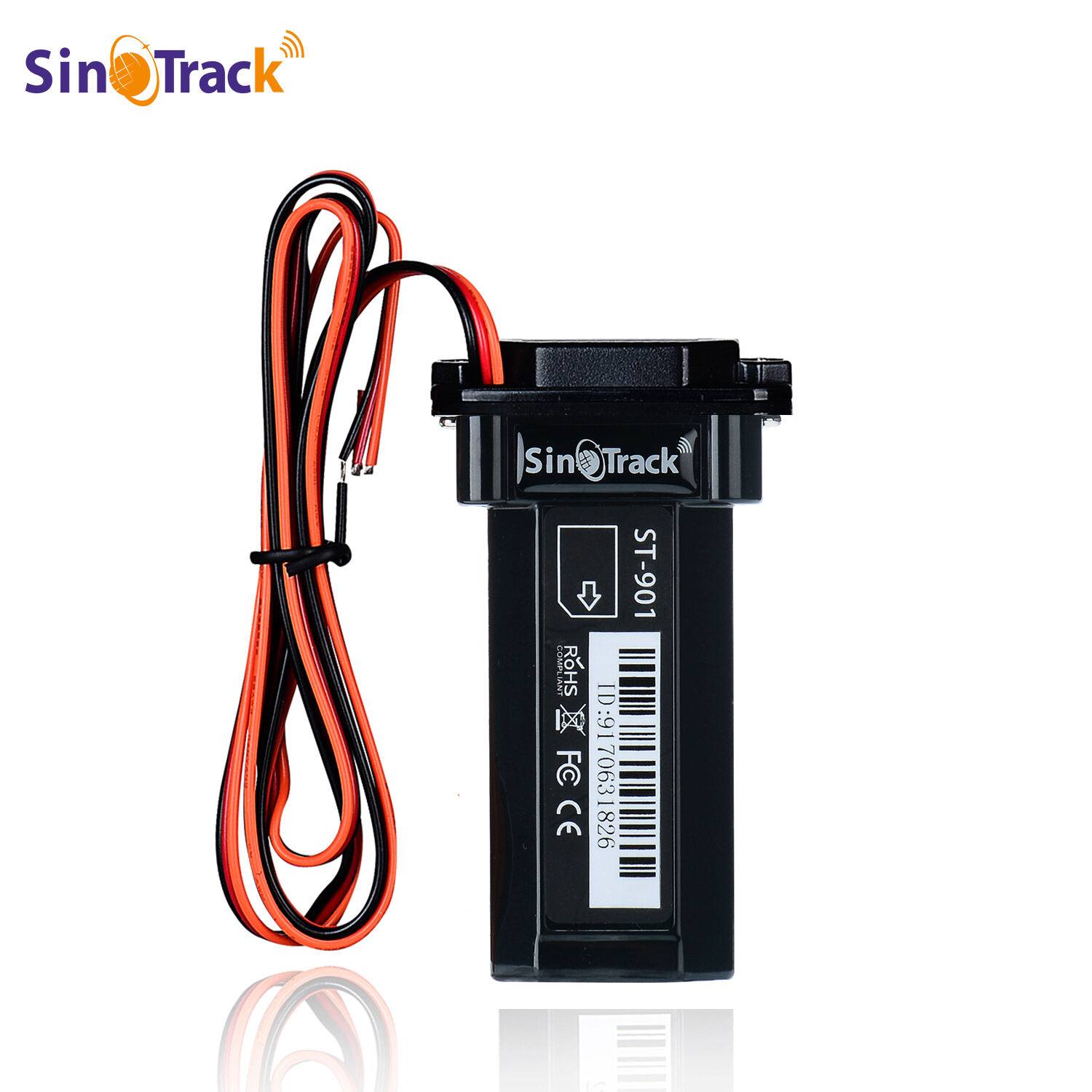
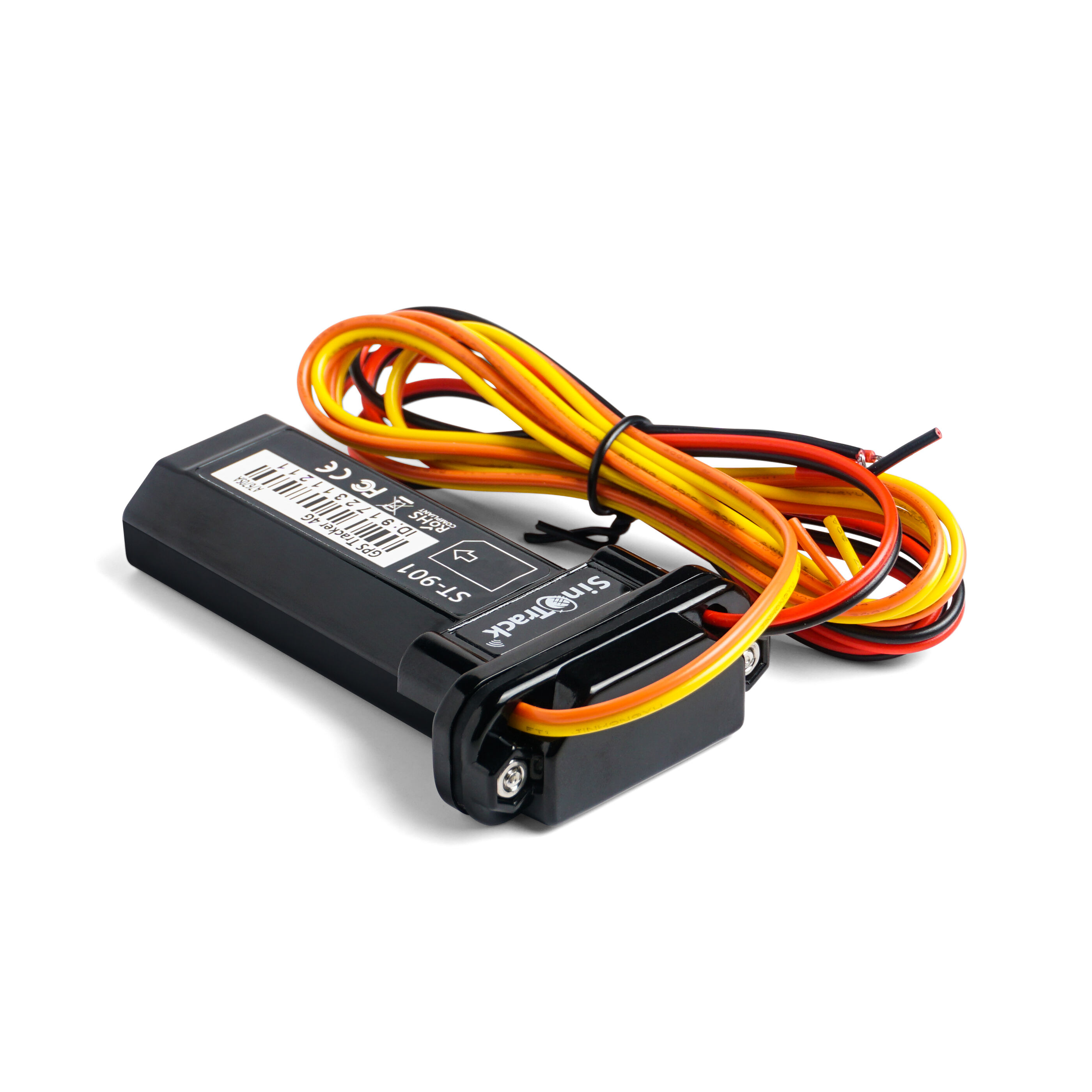
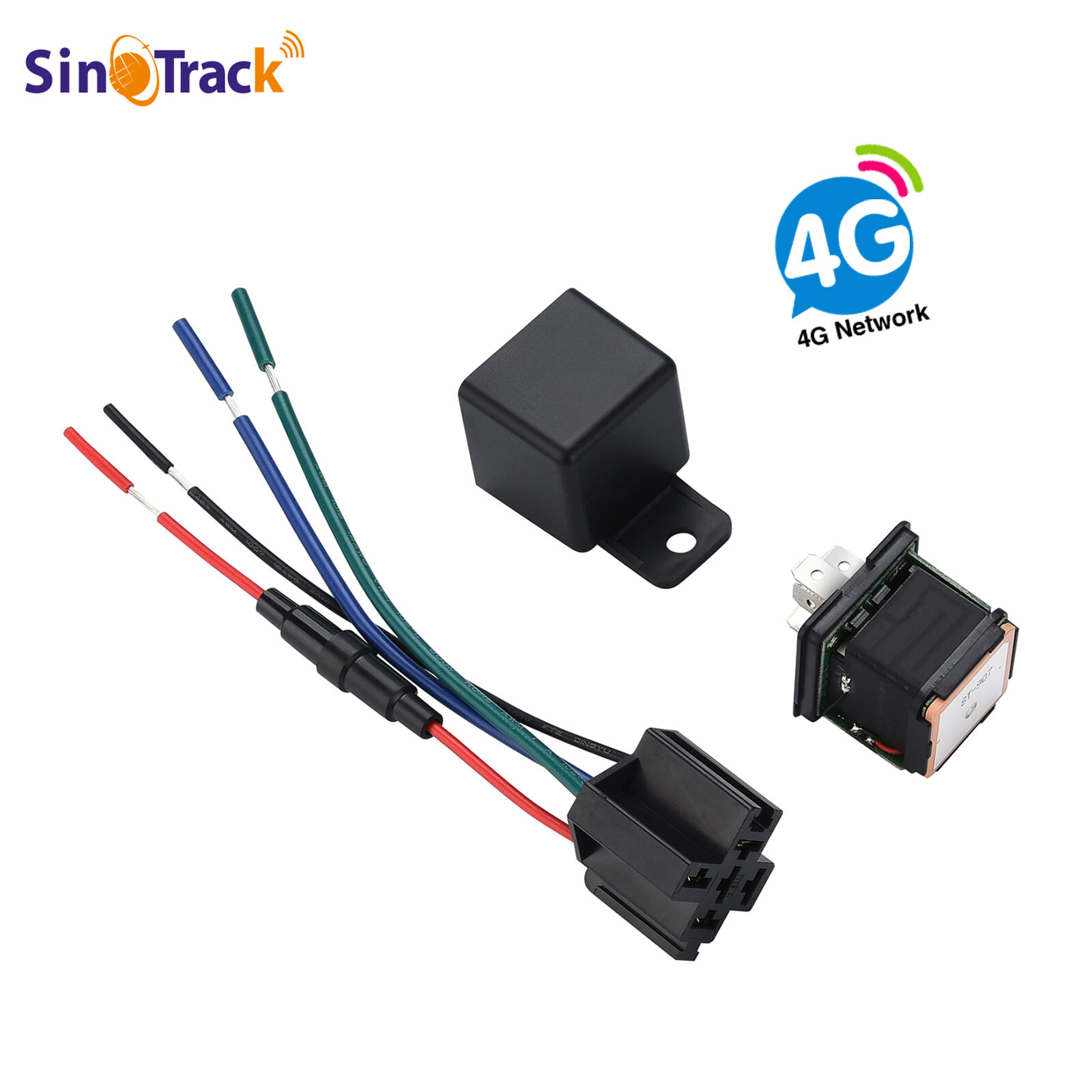
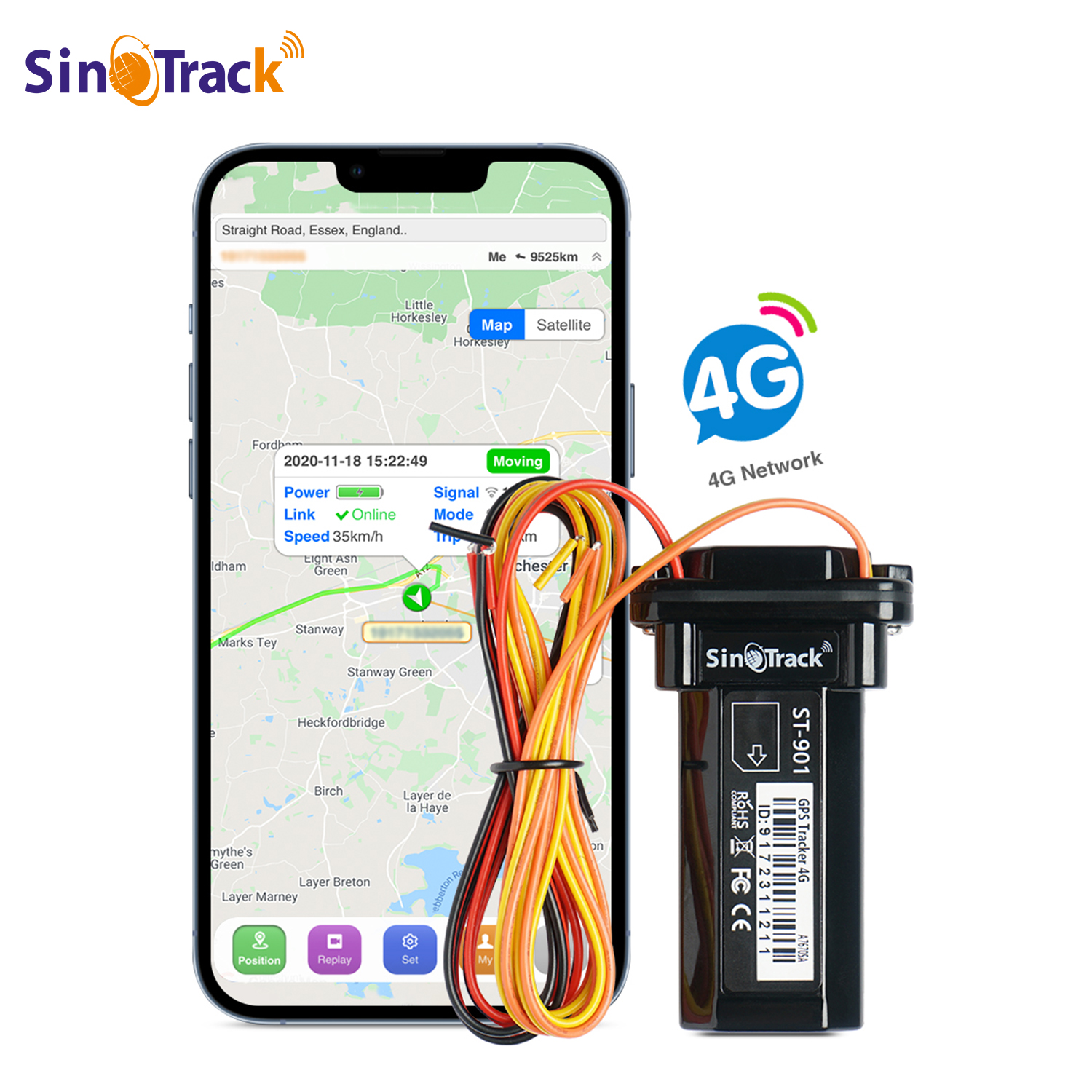
The tracker for vehicle tracking revolutionizes fleet management through precision real-time location monitoring that provides managers with instant visibility into every vehicle's exact position, speed, and direction of travel. This advanced capability transforms operational efficiency by enabling dispatchers to make informed decisions based on current vehicle locations rather than outdated information or guesswork. The system updates location data every few seconds, ensuring that managers always have the most current information available for critical decision-making processes. Route optimization algorithms analyze traffic patterns, road conditions, and historical data to suggest the most efficient paths for drivers, reducing fuel consumption by up to thirty percent while improving on-time delivery performance. The tracker for vehicle tracking maintains detailed historical route data, allowing managers to identify patterns, optimize recurring routes, and eliminate inefficient driving behaviors that waste time and resources. Advanced mapping integration displays vehicles on detailed street-level maps with satellite imagery, providing visual context that enhances situational awareness for dispatchers and managers. Geofencing capabilities allow managers to create custom boundaries around customer locations, job sites, or restricted areas, with automatic notifications when vehicles enter or exit these designated zones. This feature proves invaluable for verifying service calls, ensuring drivers visit assigned locations, and maintaining security protocols for sensitive areas. The tracker for vehicle tracking supports unlimited geofences, enabling complex operational scenarios where vehicles must follow specific routes or avoid certain areas during particular time periods. Real-time alerts notify managers immediately when vehicles deviate from planned routes, exceed speed limits, or remain stationary for extended periods, enabling proactive intervention before minor issues become major problems. The system's intelligent routing considers vehicle capacity, driver qualifications, and customer preferences to optimize not just distance and time, but overall operational effectiveness. Integration with traffic data services provides dynamic route adjustments that help drivers avoid congestion, construction zones, and accidents that could delay deliveries or service calls.
 EN
EN