small magnetic gps tracker
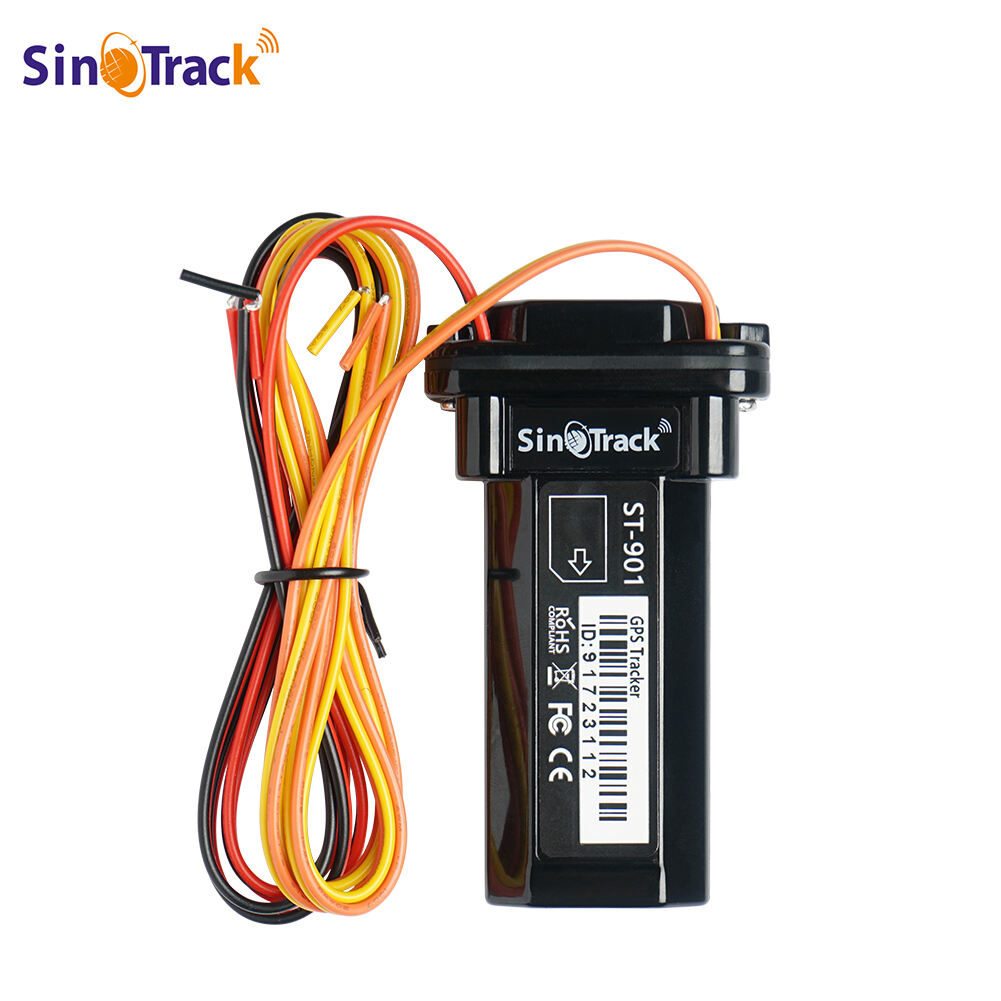
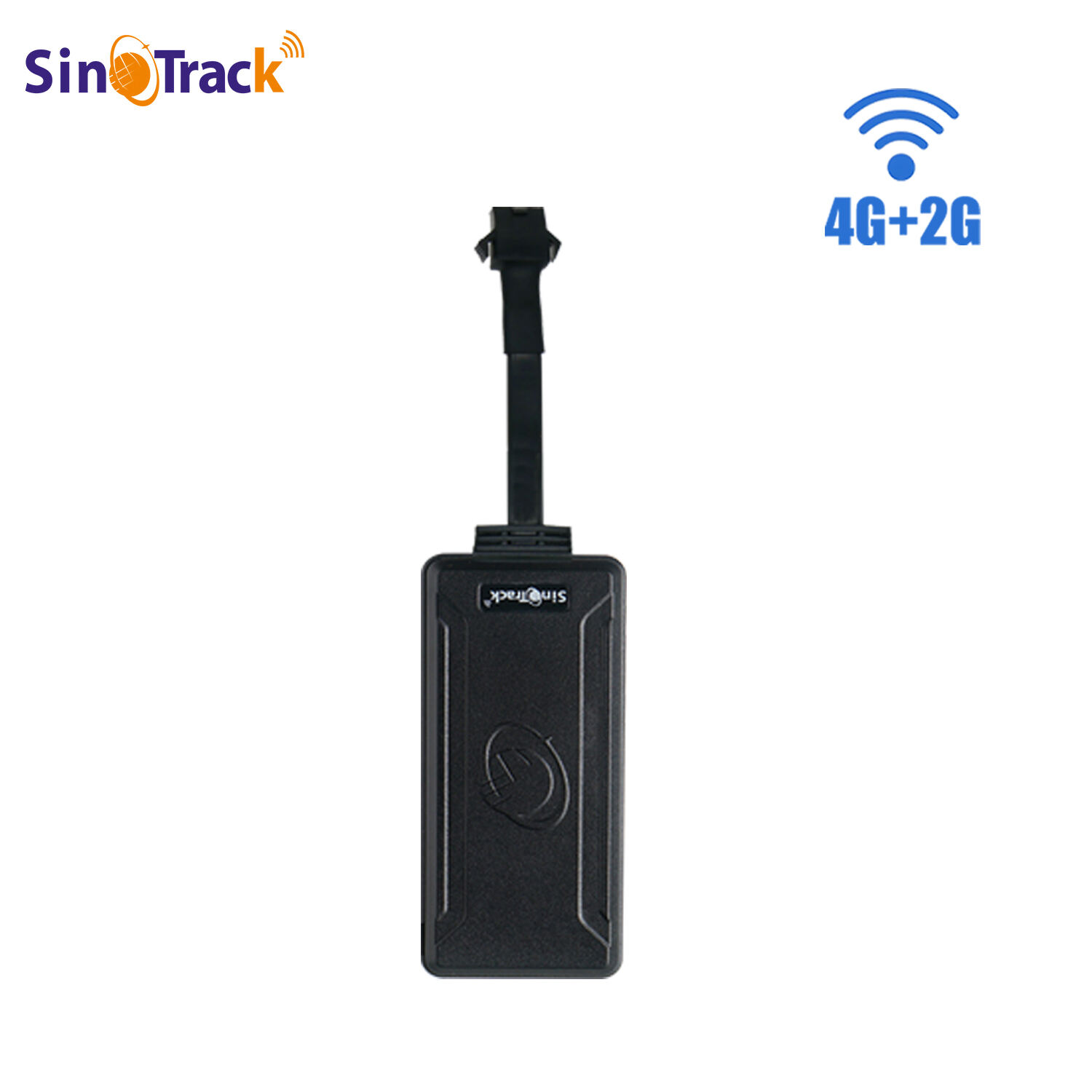
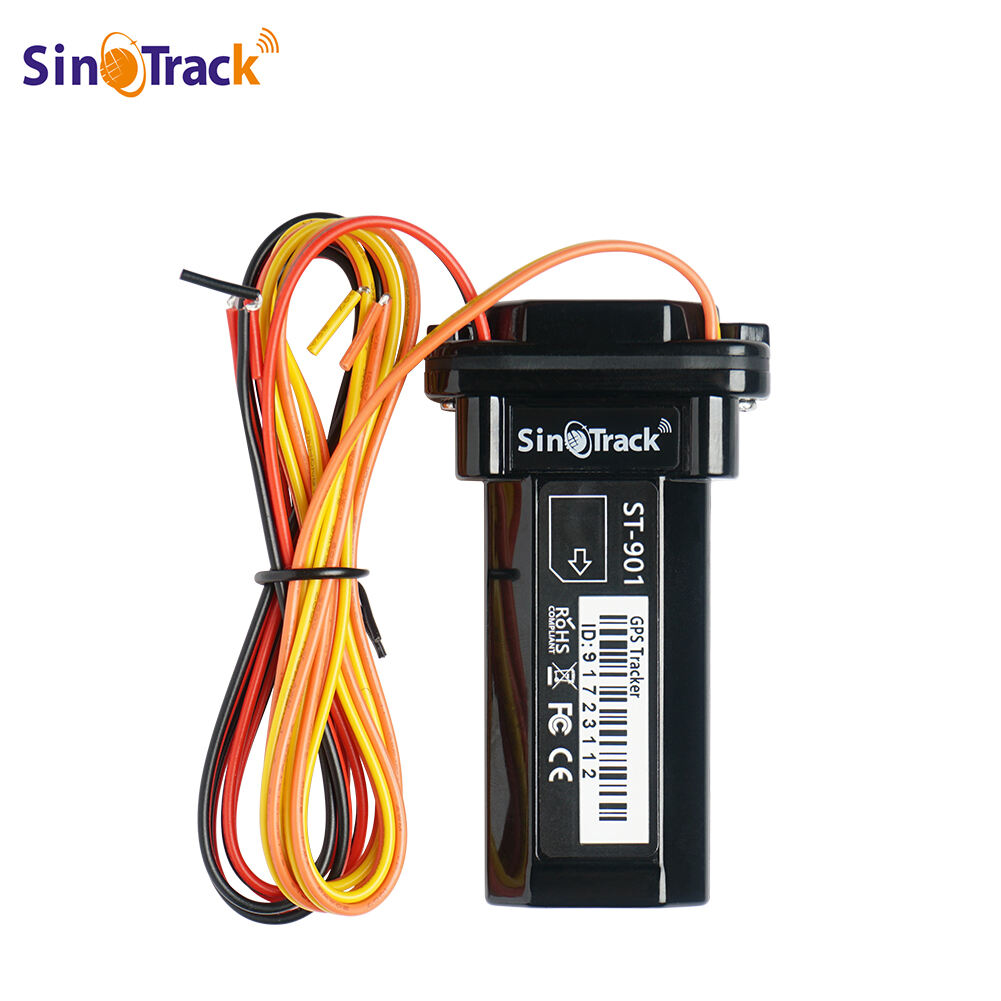
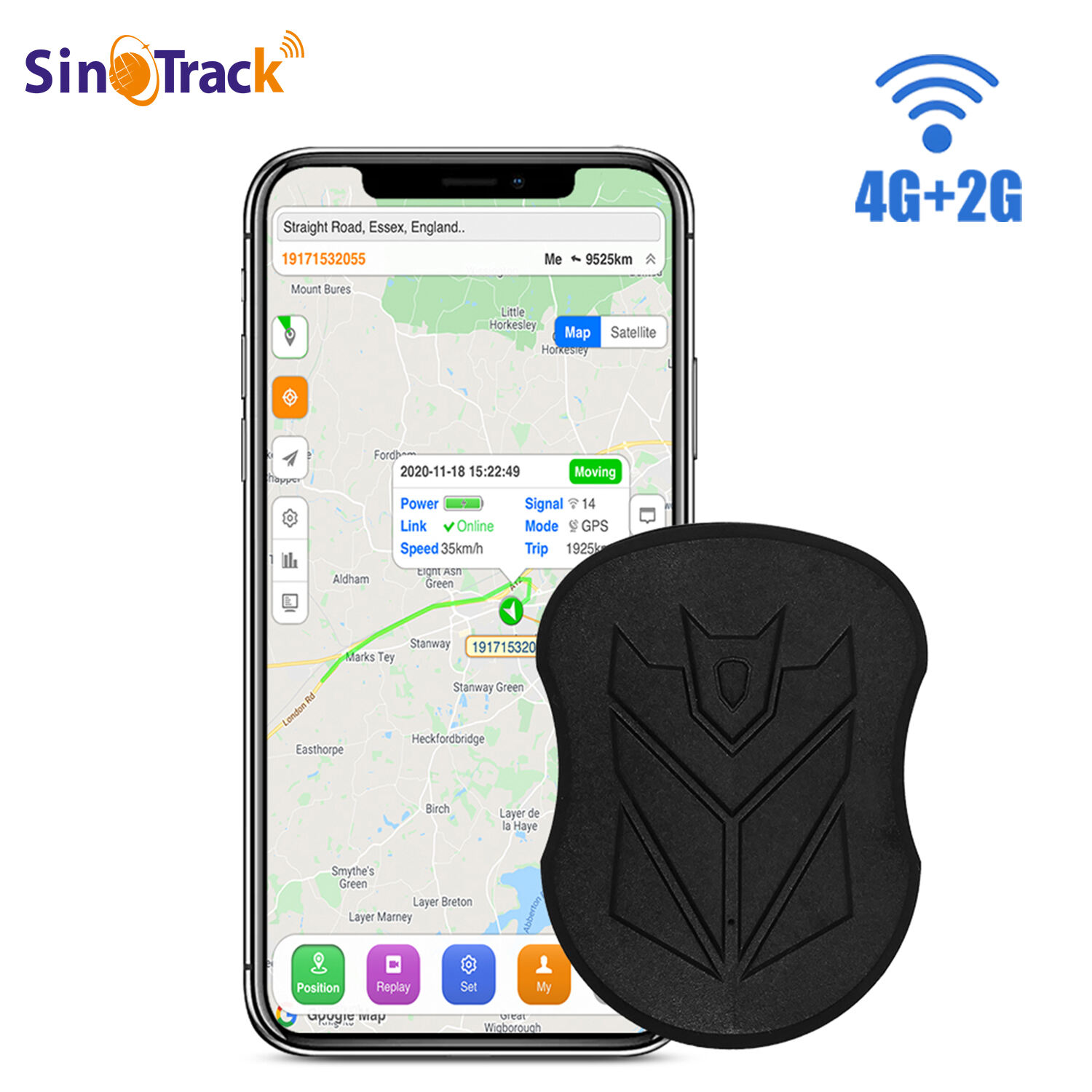
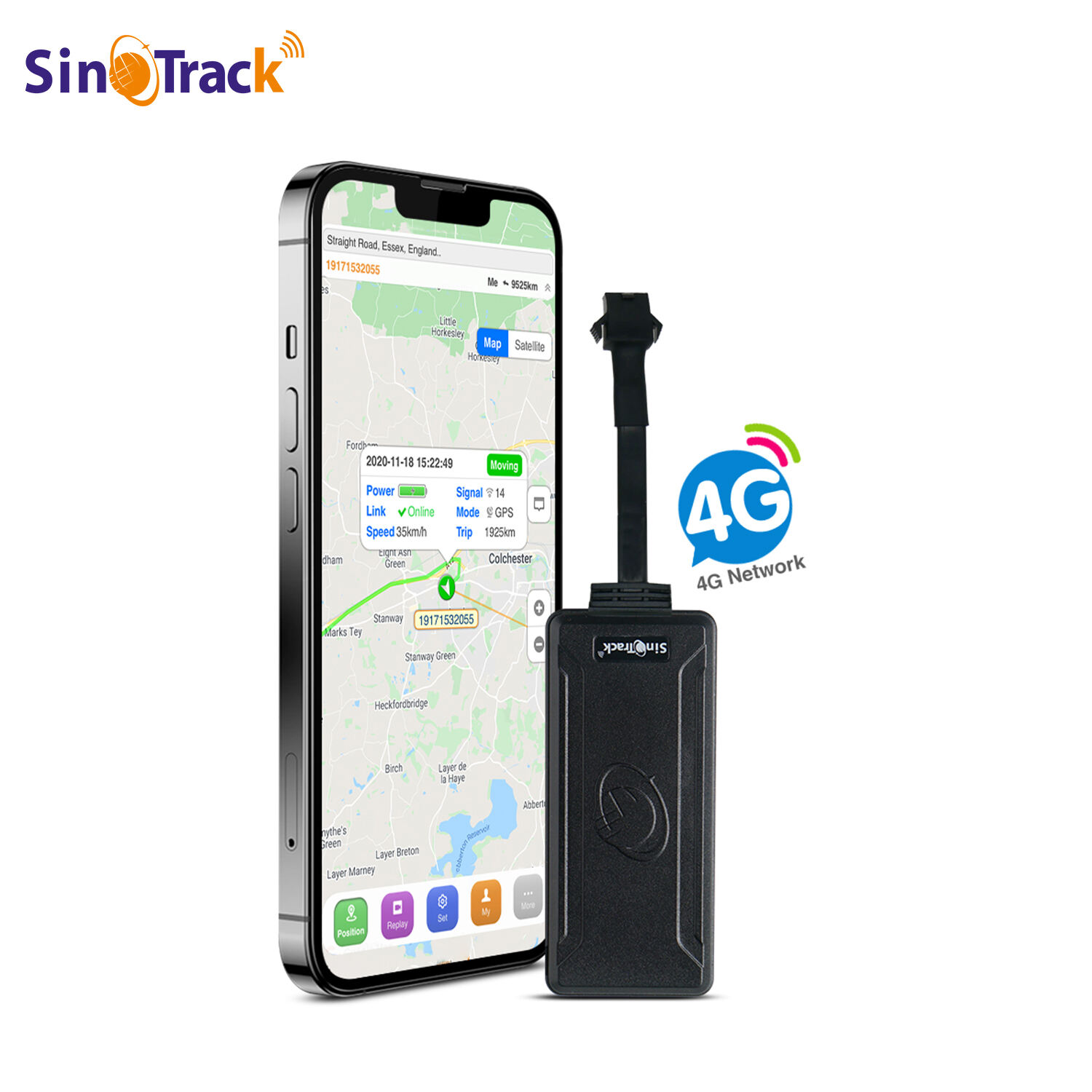
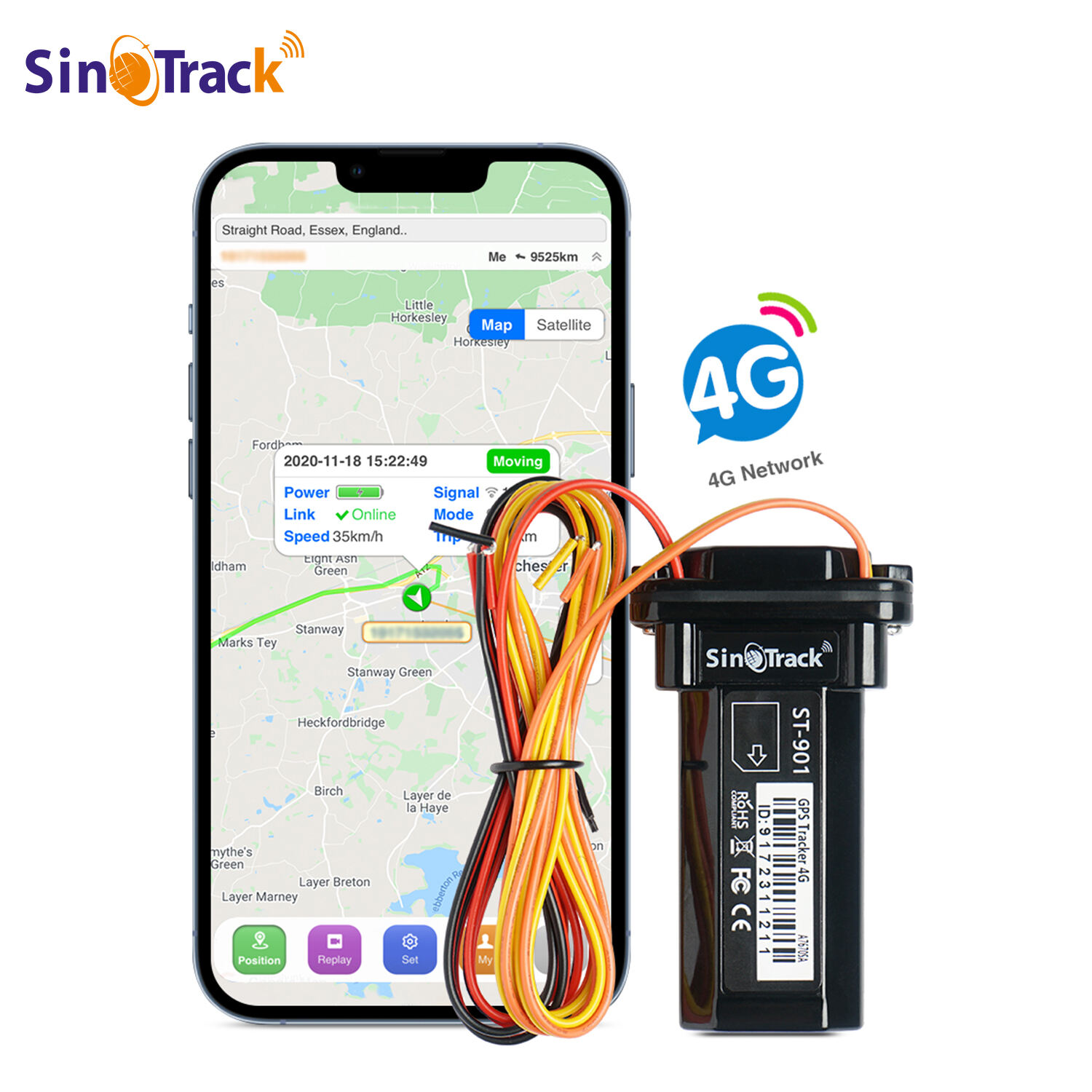
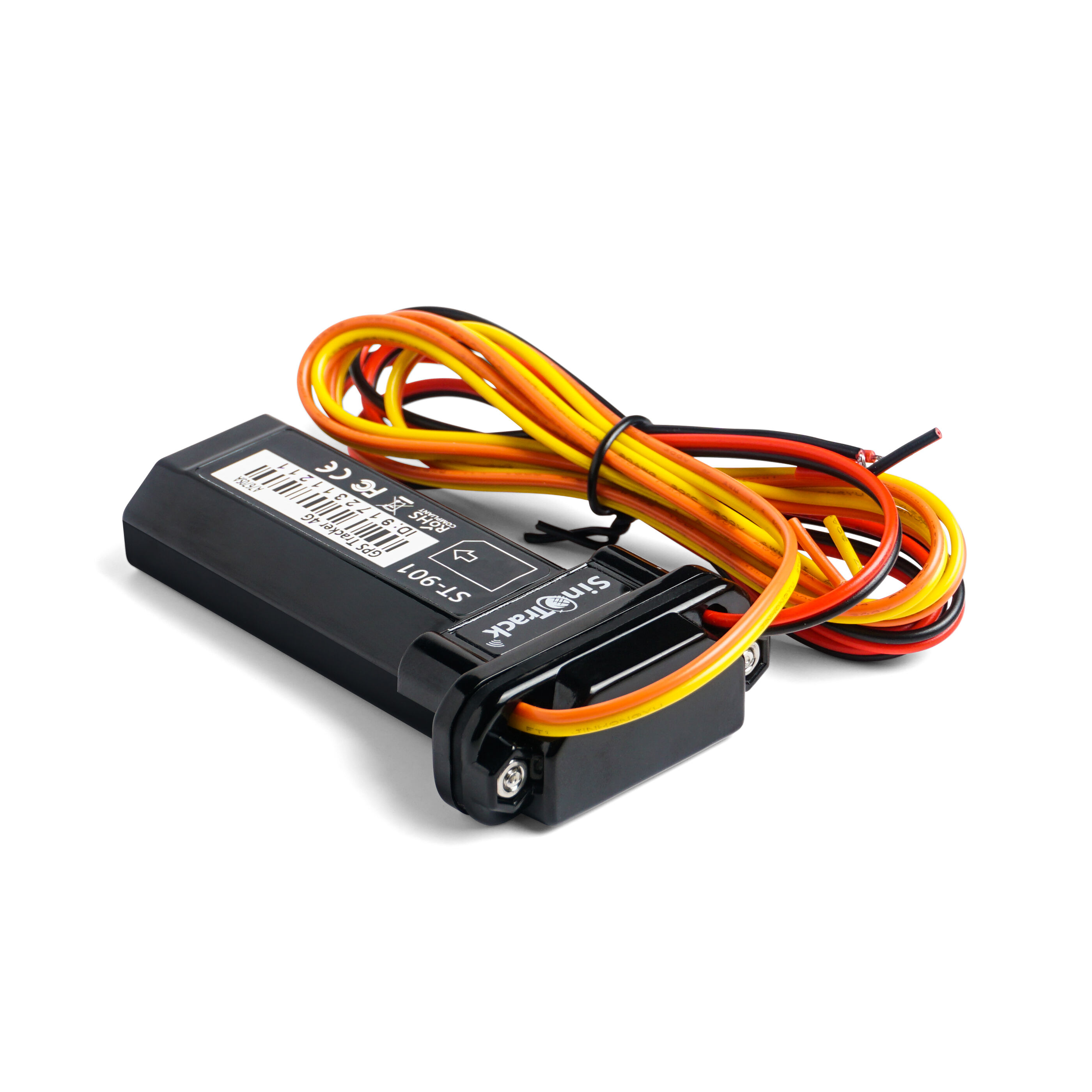
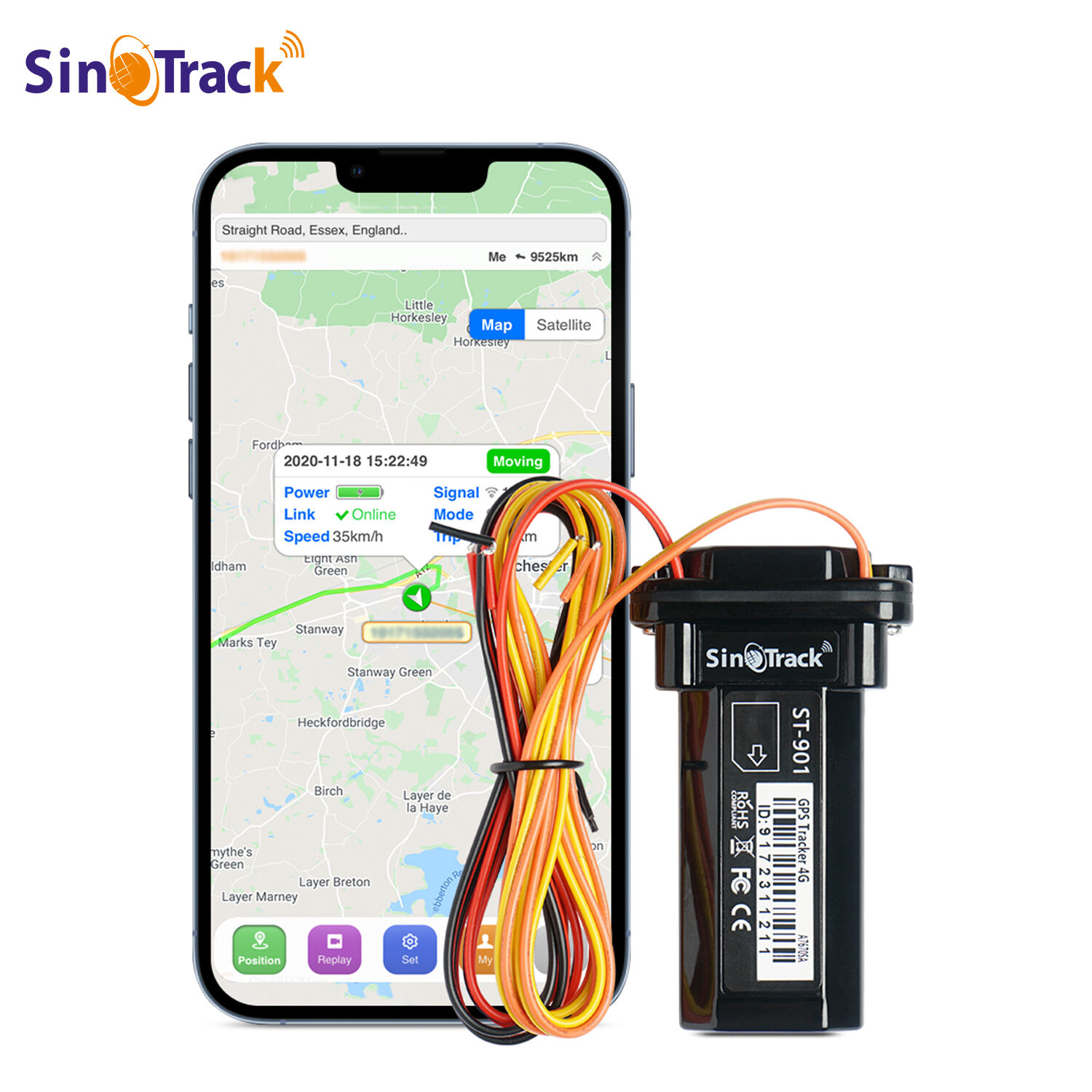
A small magnetic GPS tracker represents a revolutionary advancement in location monitoring technology, combining compact design with powerful tracking capabilities. This innovative device utilizes Global Positioning System satellites to provide real-time location data while featuring strong magnetic mounting for secure attachment to various surfaces. The small magnetic GPS tracker integrates cutting-edge GPS technology with cellular communication systems, enabling users to monitor the location of vehicles, equipment, or personal belongings through smartphone applications or web-based platforms. The device's magnetic base contains high-strength neodymium magnets that ensure reliable attachment to metal surfaces without requiring permanent installation or complex mounting procedures. Modern small magnetic GPS trackers incorporate advanced features including geofencing capabilities, movement alerts, historical route tracking, and extended battery life ranging from several days to weeks depending on usage patterns. The technological foundation includes multi-constellation satellite reception supporting GPS, GLONASS, and Galileo systems for enhanced accuracy and reliability even in challenging environments. These devices typically measure less than four inches in any dimension, making them virtually undetectable when properly placed. The small magnetic GPS tracker communicates through 4G LTE networks, ensuring consistent connectivity and data transmission across vast geographical areas. Applications span across personal security, fleet management, asset protection, and family safety monitoring. The waterproof housing protects internal components from environmental factors while maintaining optimal performance in various weather conditions. Battery technology utilizes lithium-ion cells with intelligent power management systems that optimize energy consumption based on movement patterns and reporting frequency. The small magnetic GPS tracker serves diverse industries including logistics, construction, law enforcement, and personal use cases where discrete location monitoring proves essential for operational efficiency and security purposes.

 EN
EN