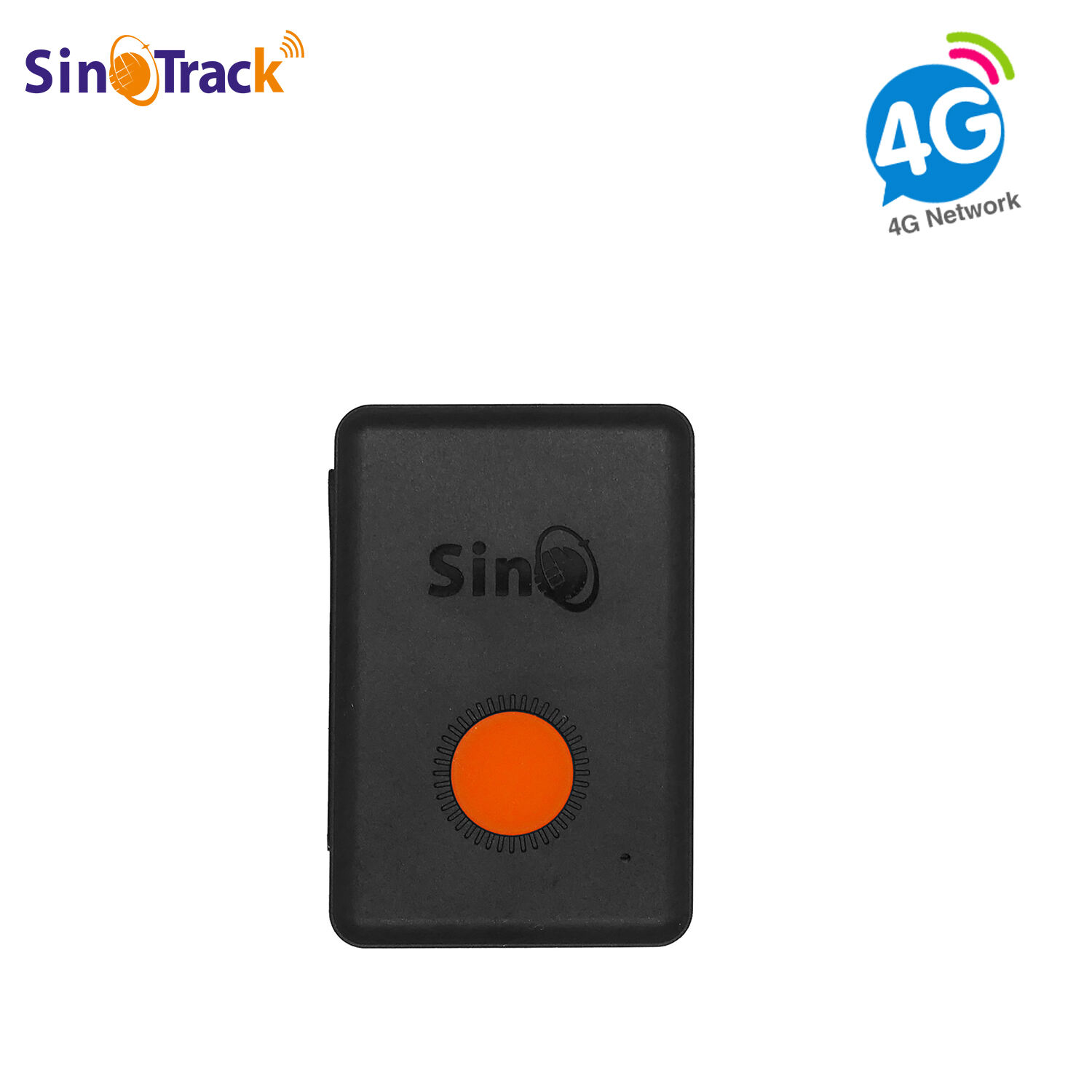
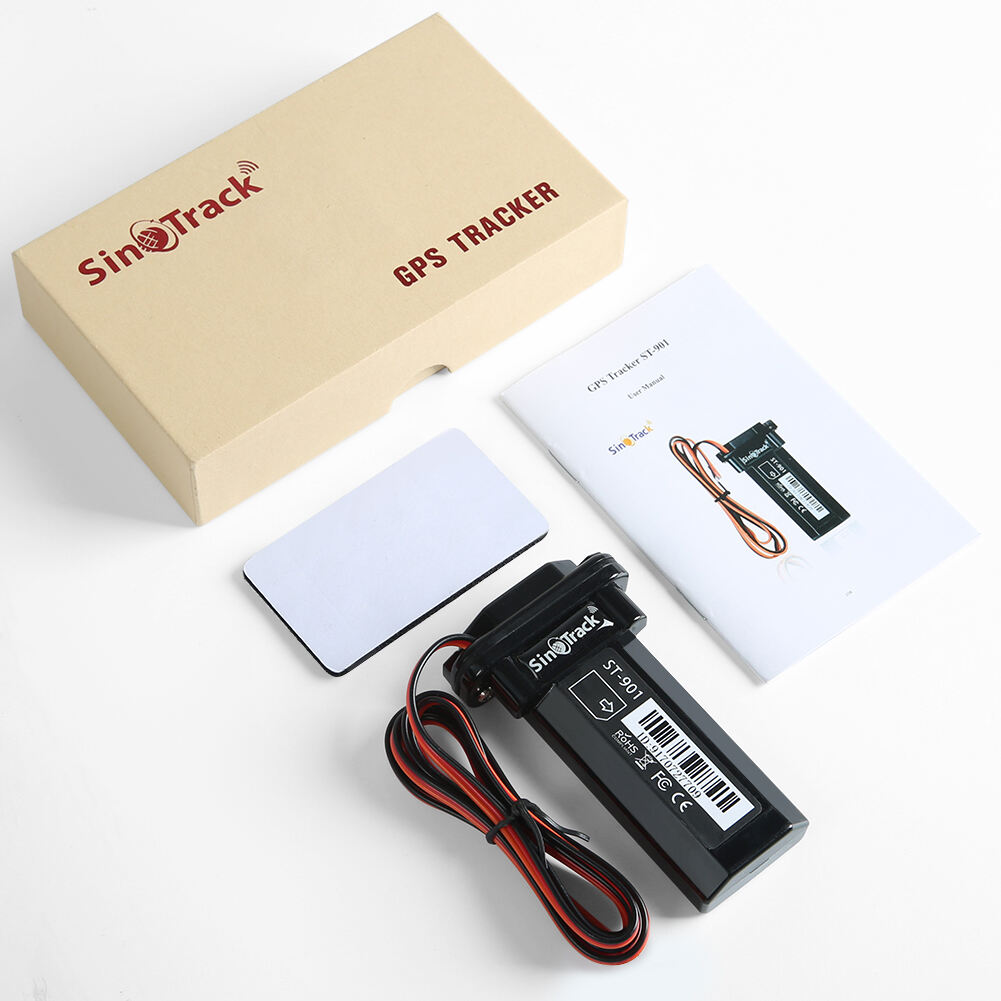
gps tracking device for car
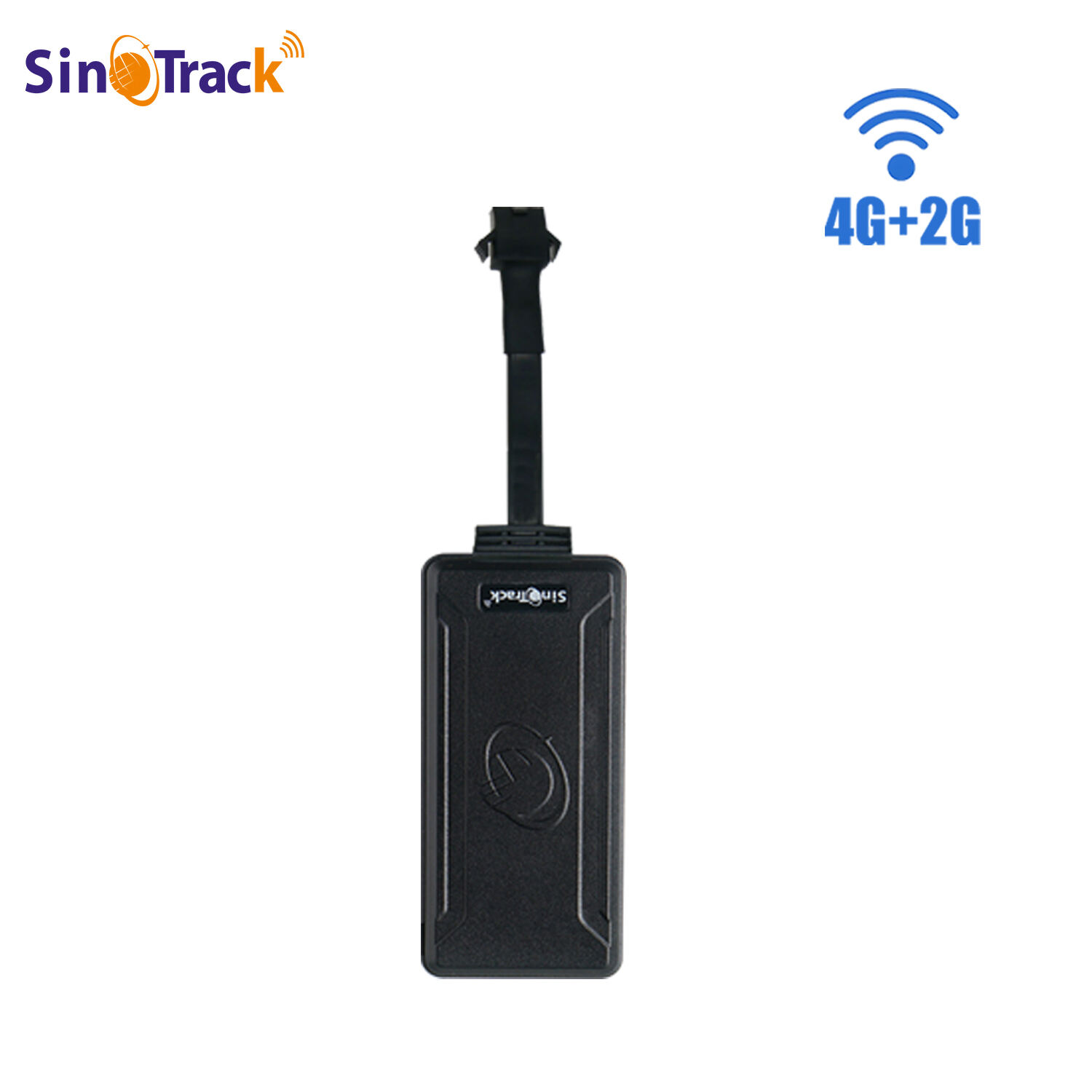
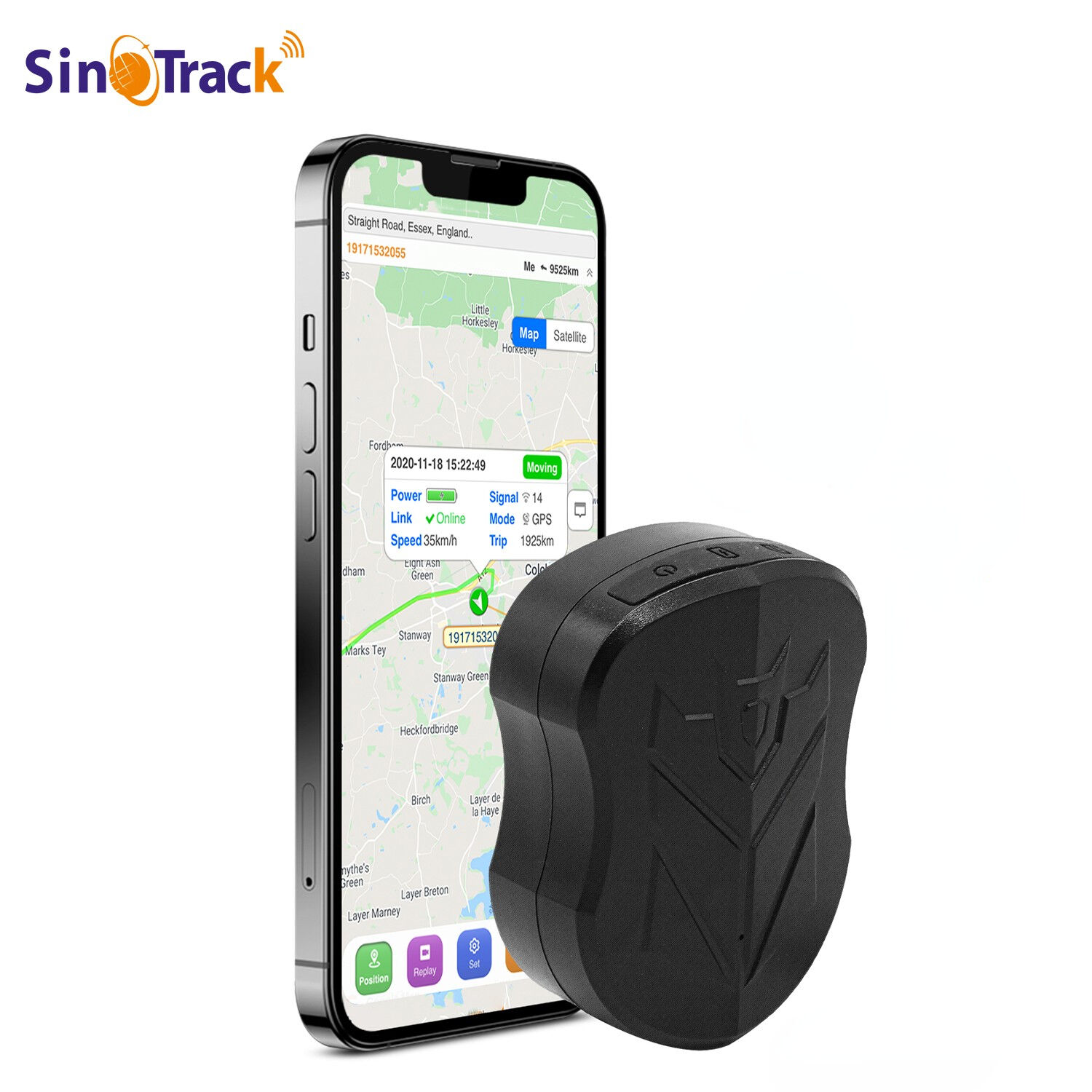
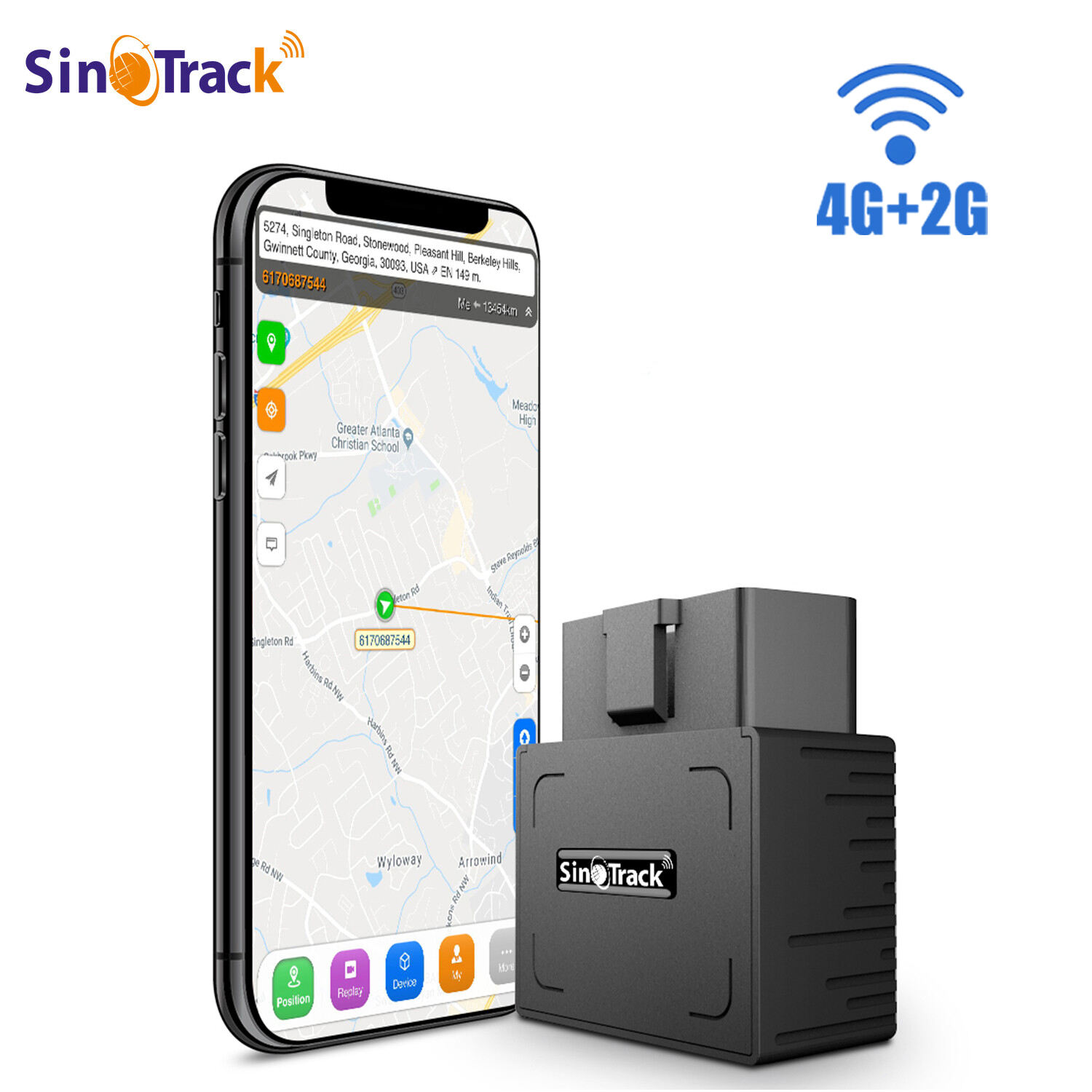
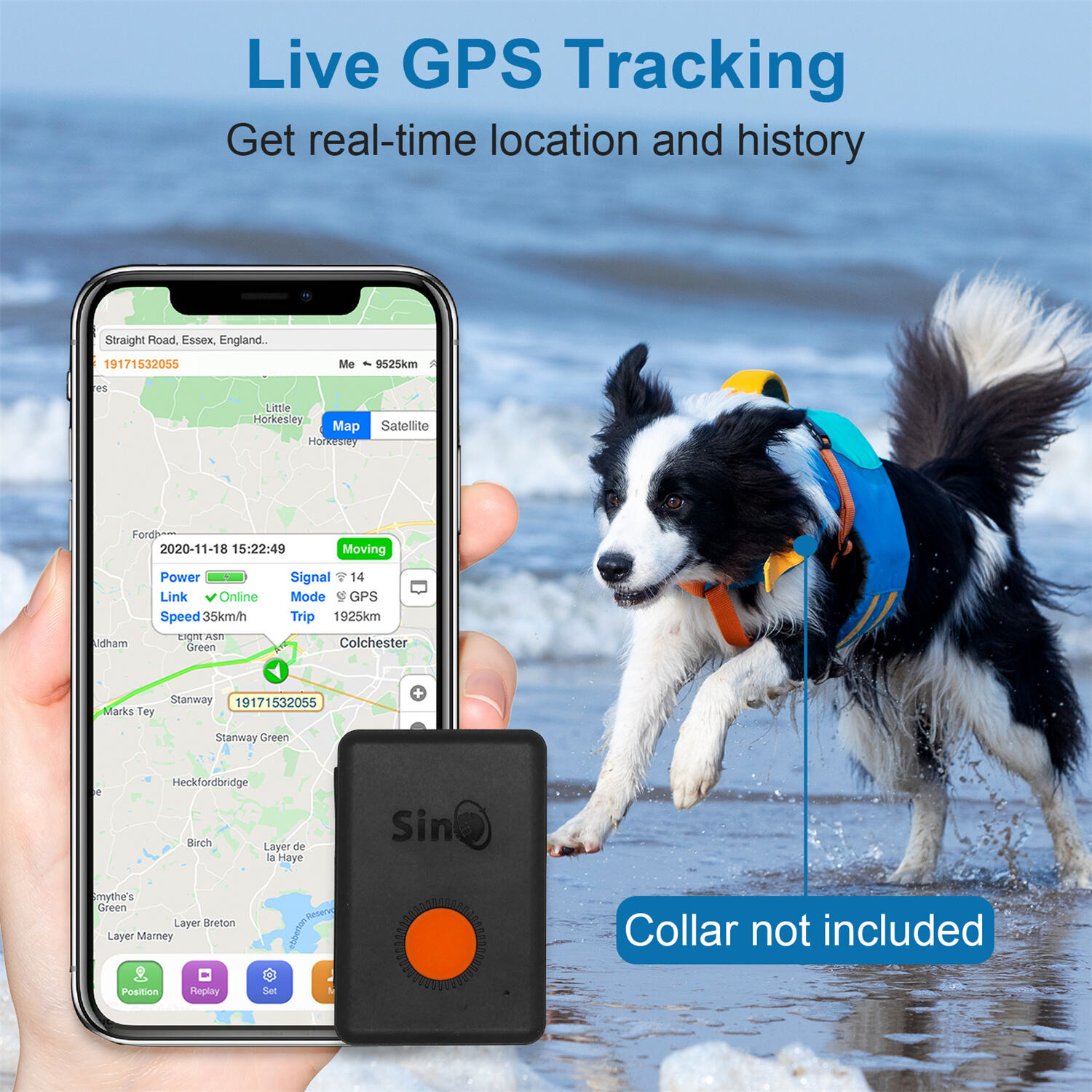
A GPS tracking device for car represents cutting-edge vehicle monitoring technology that utilizes Global Positioning System satellites to provide real-time location data and comprehensive fleet management solutions. This sophisticated automotive security system combines GPS technology with cellular communication networks to deliver precise positioning information, enabling vehicle owners to monitor their assets remotely through user-friendly mobile applications or web-based platforms. Modern GPS tracking devices for cars incorporate advanced features including geofencing capabilities, speed monitoring, route optimization, and detailed driving behavior analysis. These compact devices typically install discreetly within vehicles, drawing power from the car's electrical system while maintaining continuous communication with monitoring centers. The technology operates through a network of satellites that triangulate the vehicle's exact position, transmitting this data to secure servers where users can access comprehensive tracking information. Contemporary GPS tracking device for car systems offer multiple installation options, from plug-and-play OBD port connections to hardwired professional installations, accommodating various user preferences and security requirements. The devices collect extensive telemetry data including engine diagnostics, fuel consumption patterns, idle time statistics, and maintenance scheduling alerts. Integration capabilities allow these systems to connect with existing fleet management software, accounting systems, and business intelligence platforms. Enhanced models feature two-way communication, enabling remote engine immobilization, door lock control, and emergency response coordination. The GPS tracking device for car market has evolved to include specialized variants for different vehicle types, from personal automobiles to commercial trucks, construction equipment, and recreational vehicles. These systems provide invaluable data for insurance companies, enabling usage-based insurance programs and accident reconstruction capabilities. The technology supports multiple reporting formats, including automated alerts, scheduled reports, and on-demand data requests, ensuring users receive relevant information in their preferred format.
 EN
EN