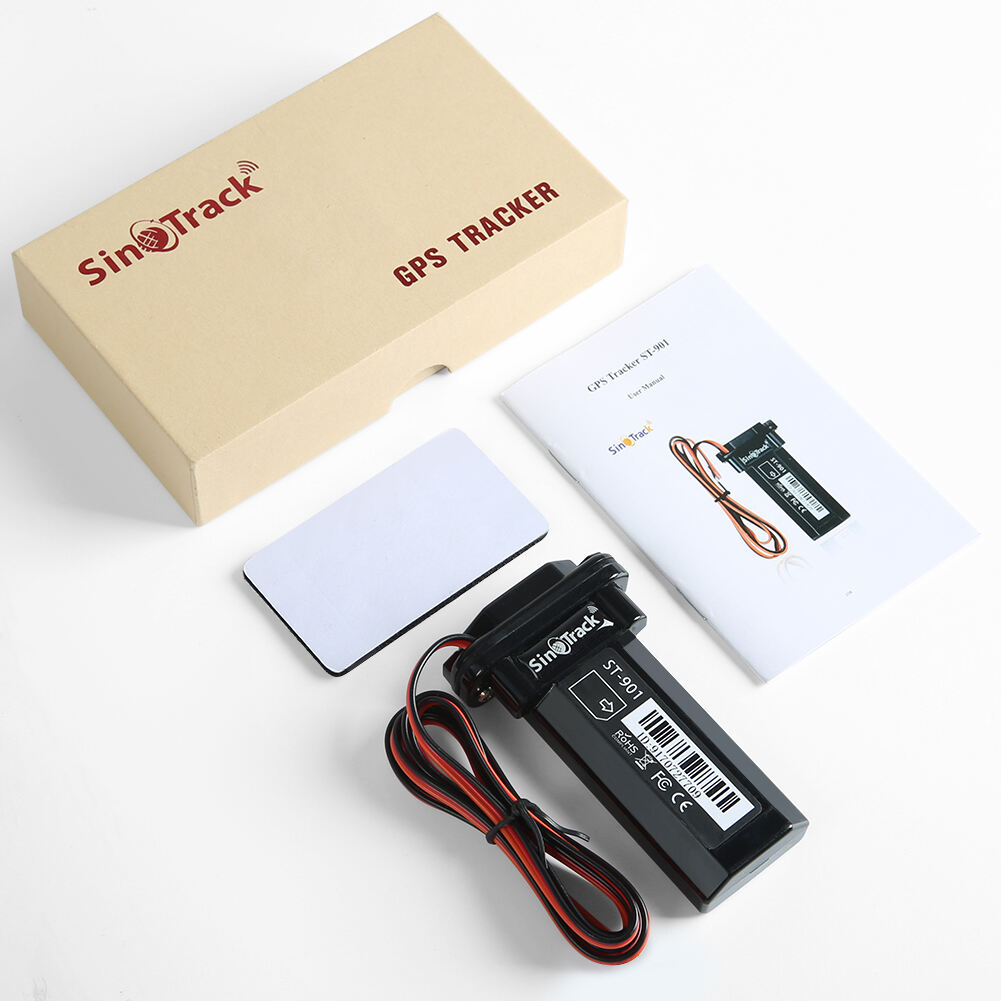
Smart Geofencing Technology with Customizable Safety Zones
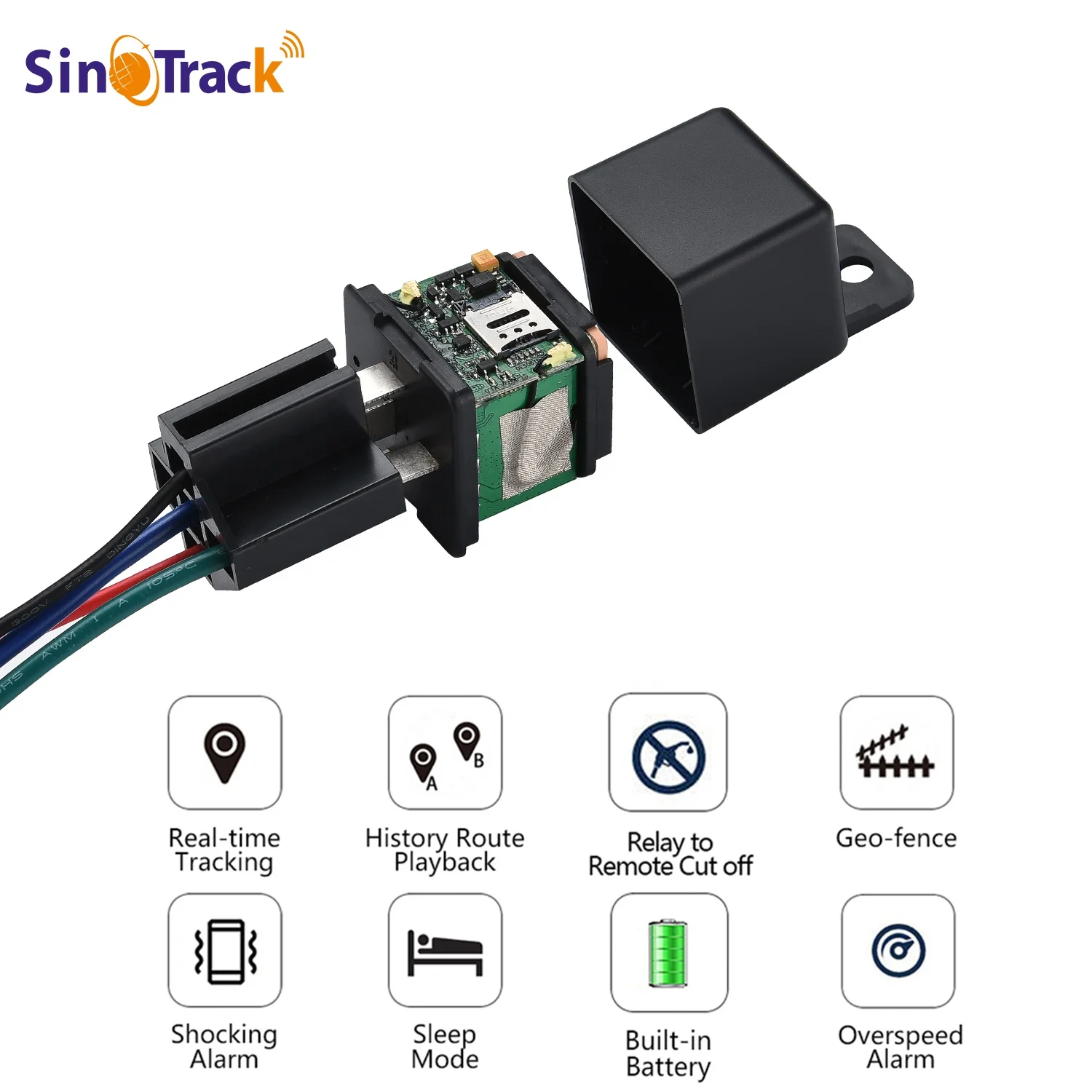
Geofencing represents the most innovative and proactive safety feature of GPS tracker for kids technology, enabling parents to establish virtual boundaries around any geographical location and receive automatic notifications when their child enters or exits these predetermined safe zones. This intelligent system allows for the creation of multiple geofenced areas with customizable shapes and sizes, accommodating irregular boundaries around schools, neighborhoods, parks, relatives' homes, or any location parents consider safe for their children. The GPS tracker for kids processes geofencing data in real-time, continuously monitoring the child's position relative to established boundaries and triggering immediate alerts when boundary crossings occur, providing parents with instant awareness of their child's movements without requiring constant manual monitoring. Advanced geofencing capabilities include time-based restrictions that activate different boundary sets depending on the time of day or week, allowing for flexible safety management that adapts to changing schedules such as school days, weekends, holidays, or special activities. Parents can establish multiple safety zones with different alert preferences, creating quiet notifications for routine locations like schools while triggering urgent alerts for unexpected areas or restricted zones that children should never enter without permission. The GPS tracker for kids geofencing system includes buffer zones that provide graduated alerts as children approach boundary limits, offering early warnings that allow for proactive communication and course correction before actual boundary violations occur. Historical geofencing data creates detailed reports showing how frequently children visit different locations, how long they spend in various zones, and whether they consistently respect established boundaries, providing valuable insights into behavioral patterns and compliance with family safety rules. Smart learning algorithms analyze movement patterns to suggest optimal geofencing configurations, automatically recommending boundary adjustments based on the child's regular activities and frequently visited locations. The technology accommodates temporary boundary modifications for special occasions, field trips, or family outings, allowing parents to quickly adjust safety parameters without losing permanent geofencing configurations that govern daily routines.
 EN
EN