gps fleet tracking system
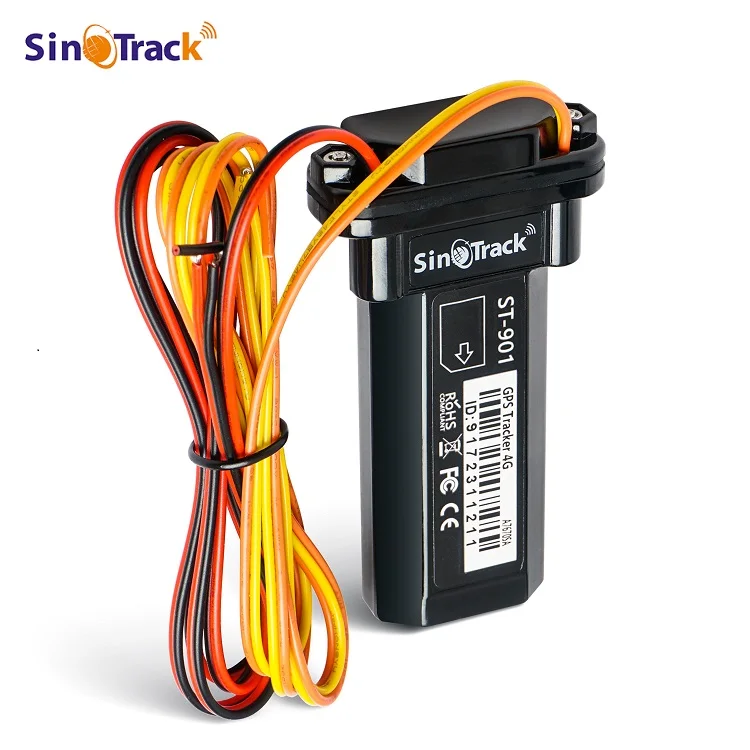
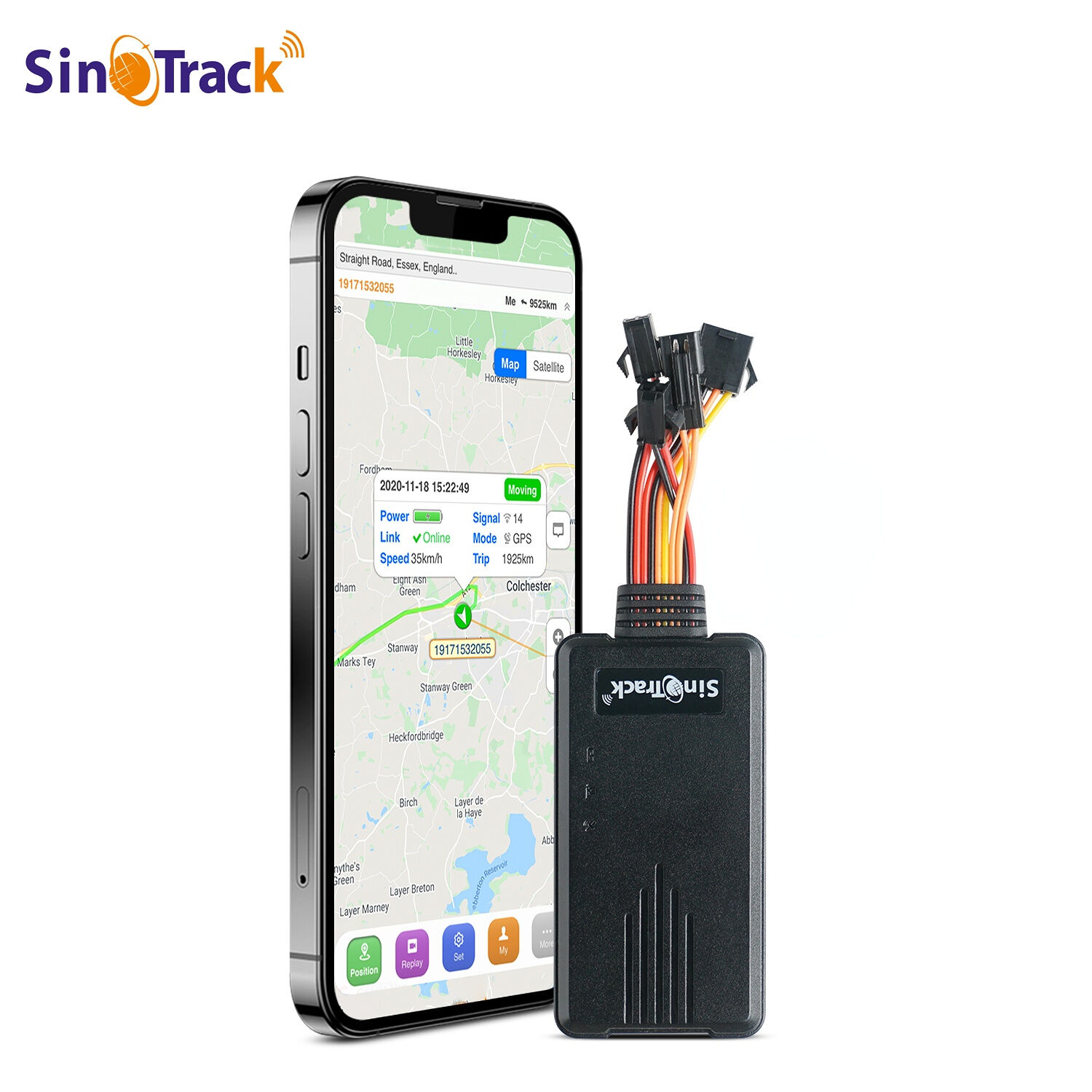
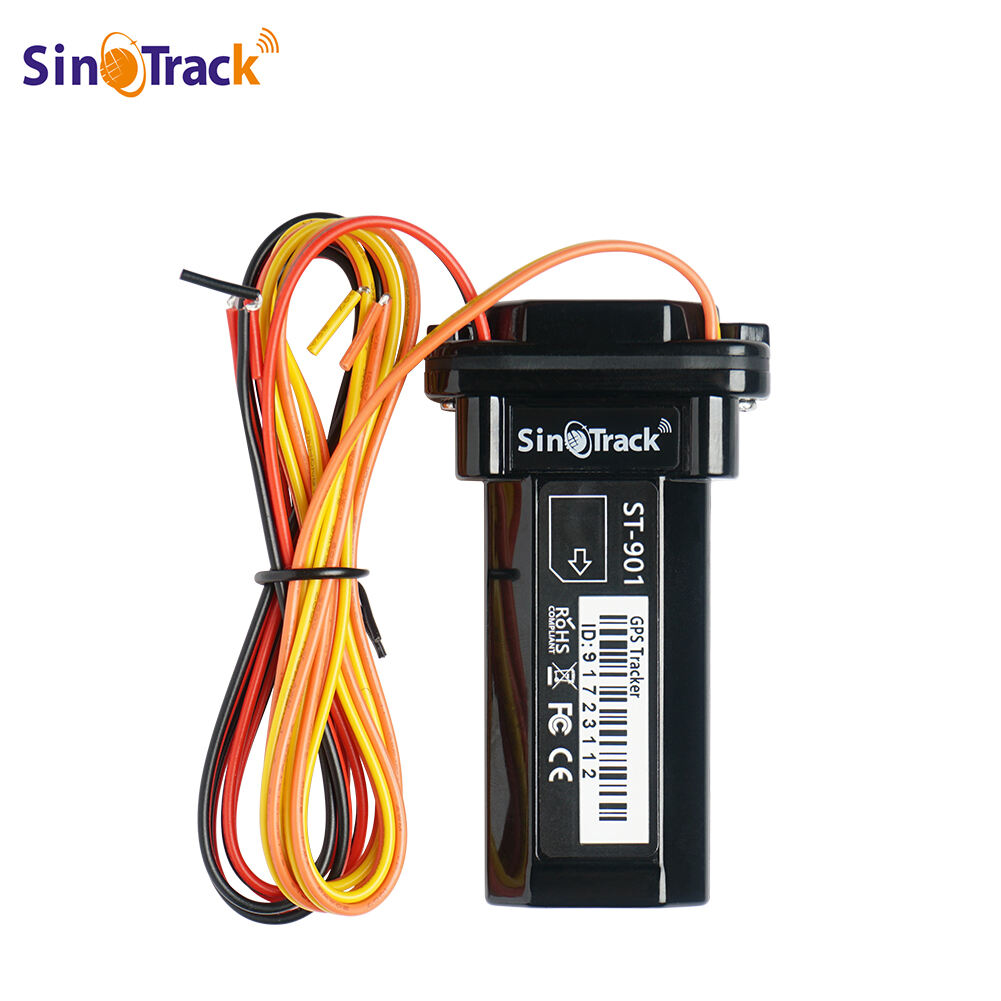
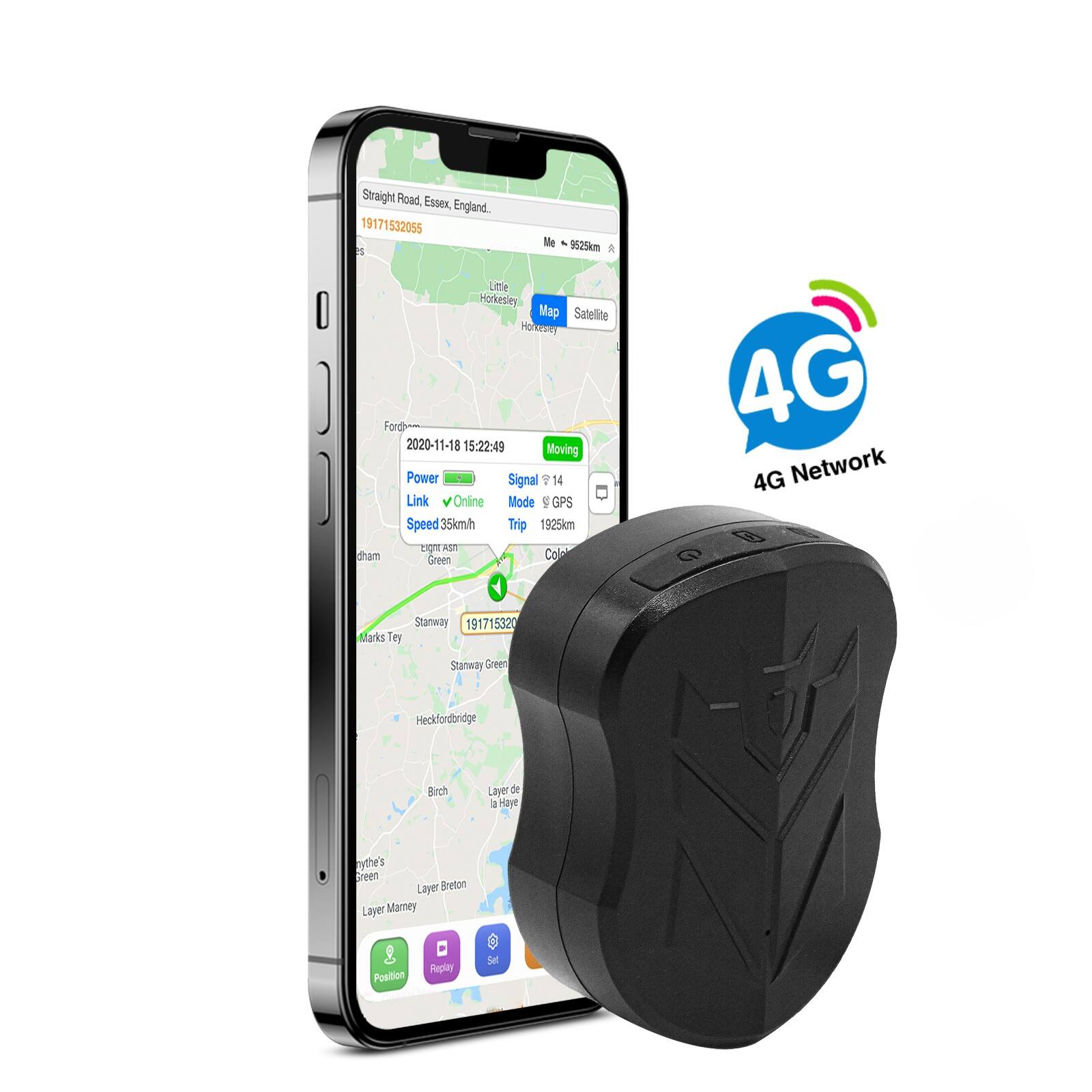
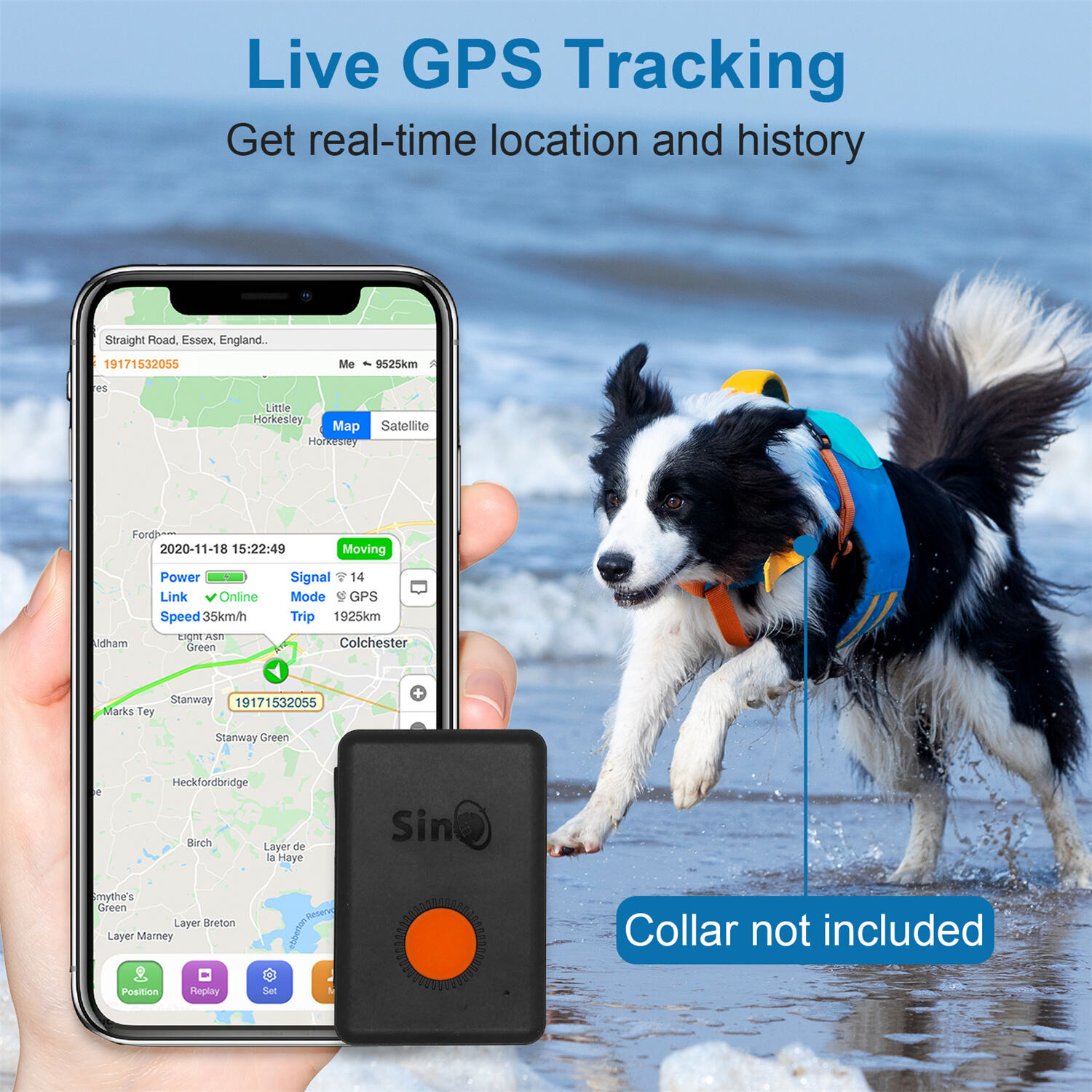
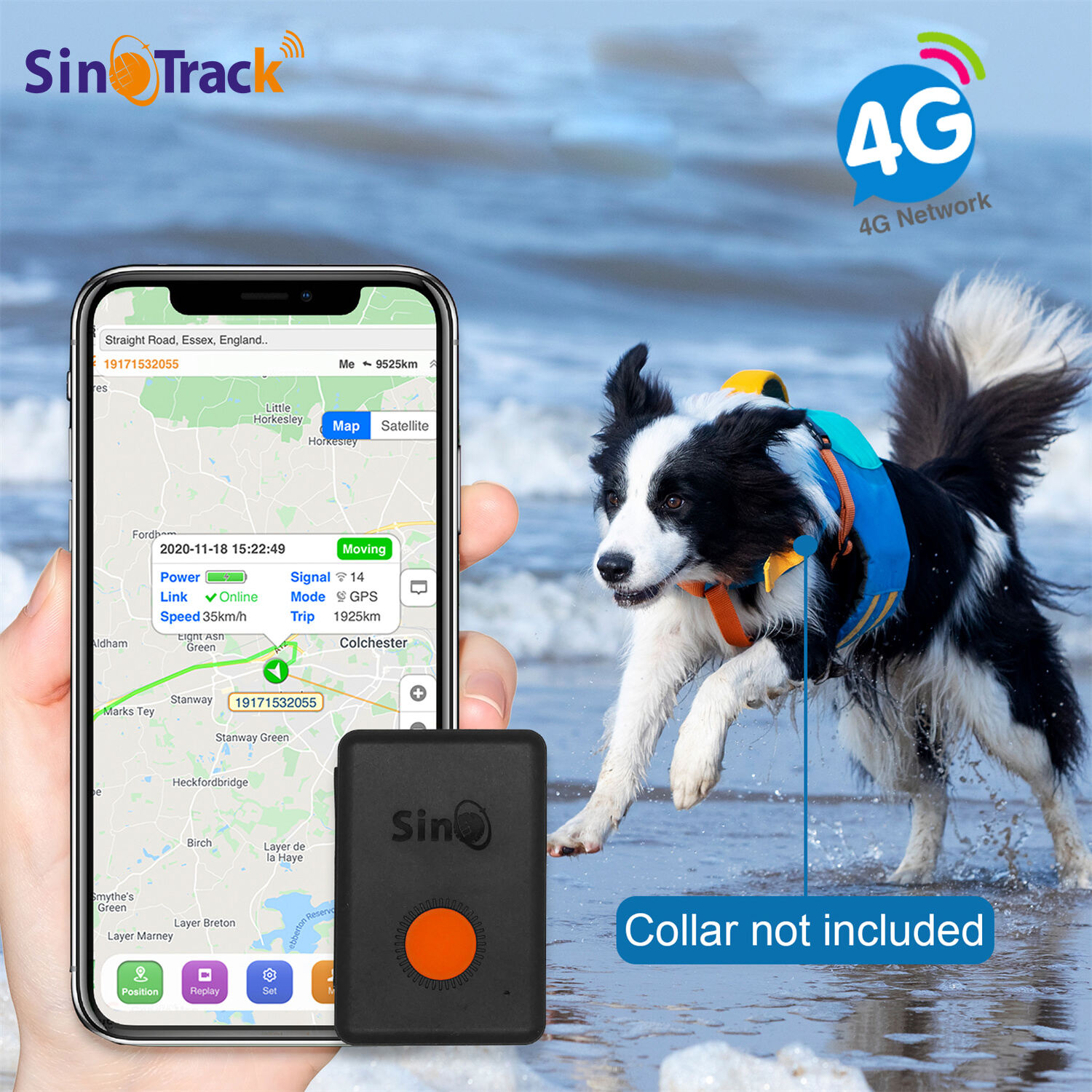
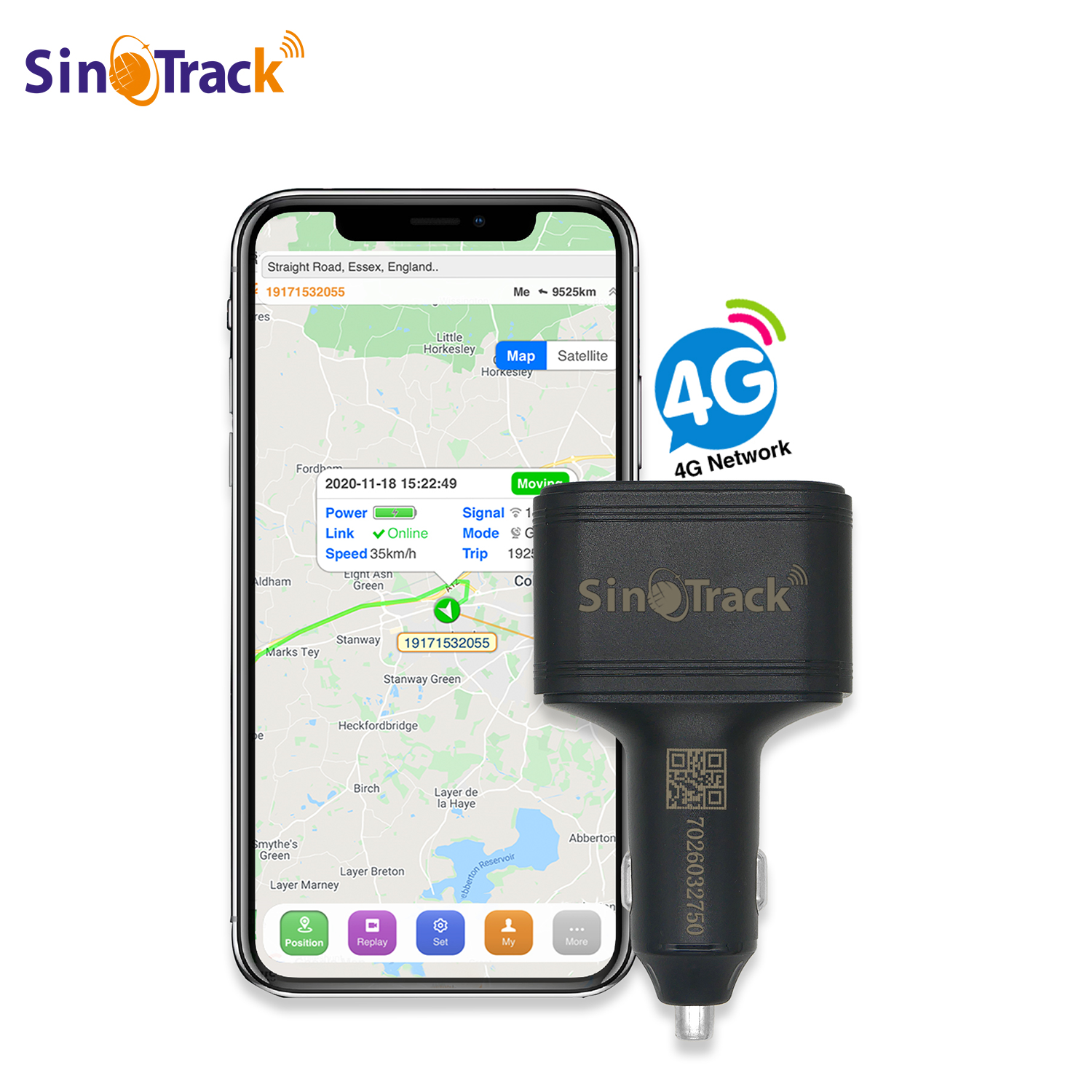
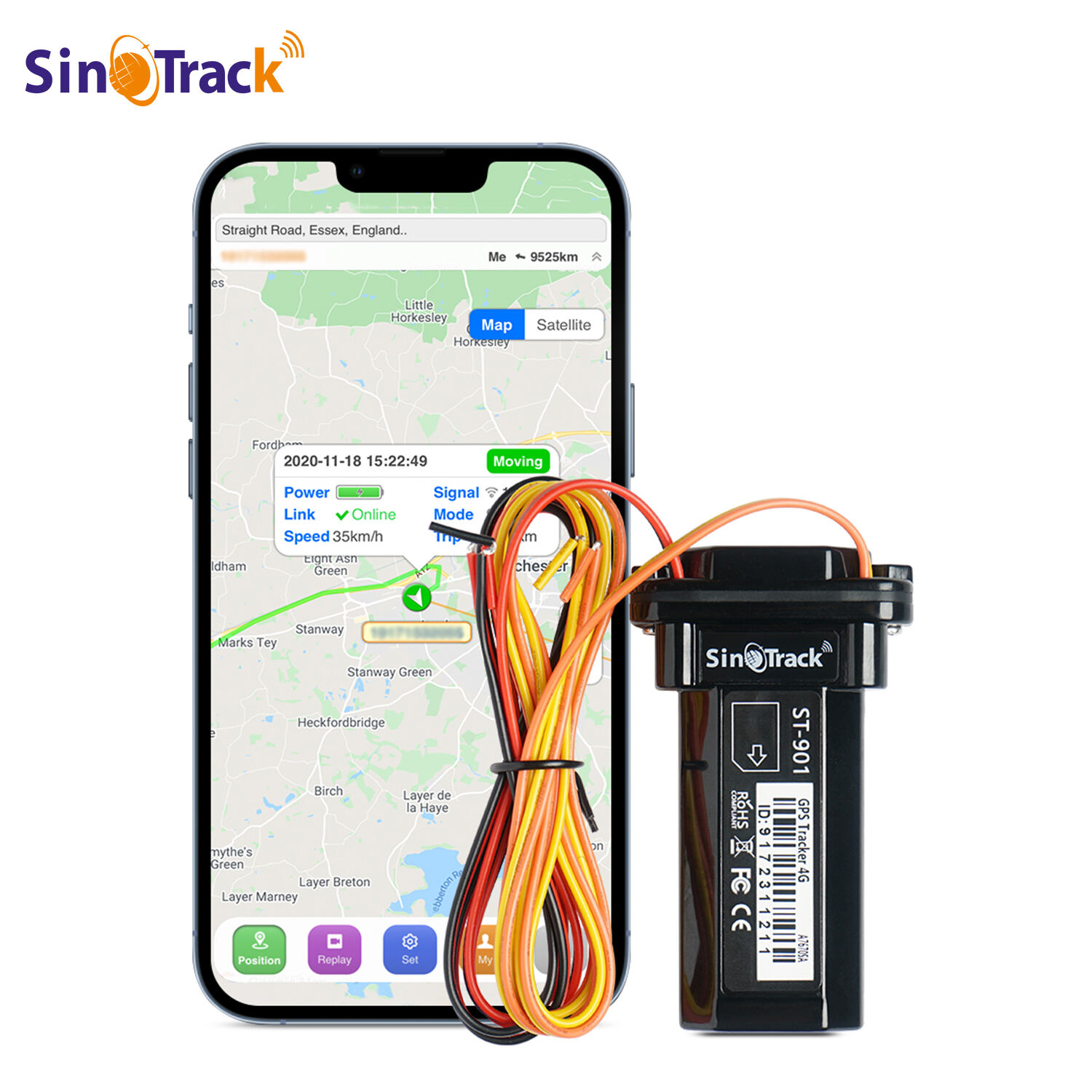
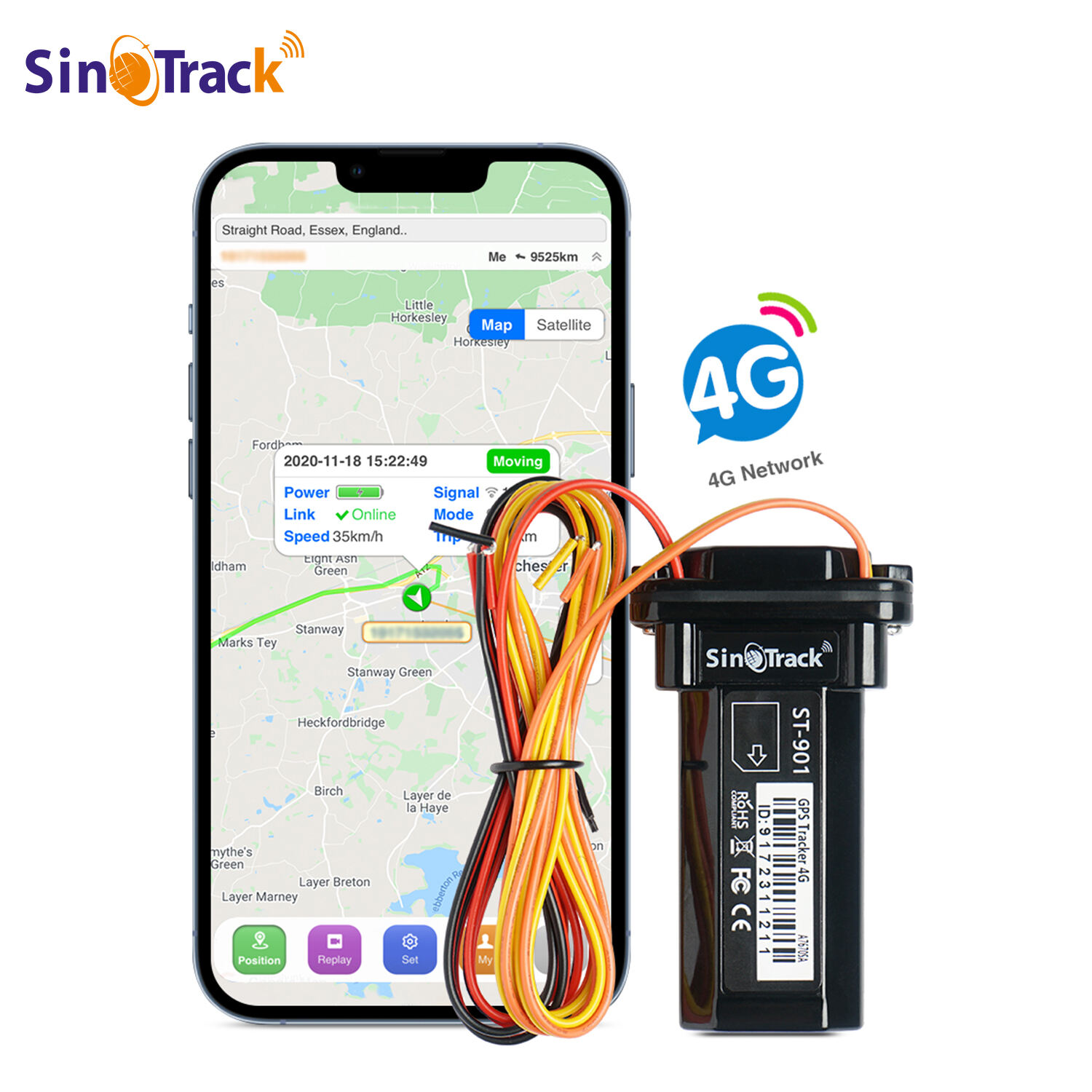
A GPS fleet tracking system represents a comprehensive technological solution that leverages satellite navigation technology to monitor, manage, and optimize vehicle operations across diverse industries. This sophisticated system combines Global Positioning System satellites, cellular networks, and advanced software platforms to provide real-time visibility into fleet activities. The GPS fleet tracking system utilizes onboard devices installed in vehicles that communicate with satellites to determine precise location coordinates, which are then transmitted to centralized management platforms via wireless networks. The core functionality encompasses real-time vehicle location monitoring, allowing fleet managers to track every vehicle's position on interactive maps with updates occurring every few seconds. Route optimization capabilities analyze traffic patterns, road conditions, and delivery schedules to suggest the most efficient paths, reducing fuel consumption and improving delivery times. Driver behavior monitoring features record speed patterns, harsh braking, rapid acceleration, and idling times, enabling managers to identify training opportunities and promote safer driving practices. Geofencing technology creates virtual boundaries around specific areas, triggering automatic alerts when vehicles enter or exit designated zones such as customer locations, restricted areas, or maintenance facilities. Maintenance scheduling functionality tracks vehicle mileage, engine hours, and diagnostic codes to predict maintenance needs and prevent costly breakdowns. Historical reporting capabilities store months of operational data, enabling comprehensive analysis of fleet performance trends, cost patterns, and efficiency metrics. Integration capabilities allow the GPS fleet tracking system to connect with existing business software including accounting systems, customer relationship management platforms, and enterprise resource planning solutions. Mobile applications extend system functionality to smartphones and tablets, enabling drivers to receive route updates, communicate with dispatchers, and access job details while maintaining connection to the central system. Alert systems notify managers immediately when vehicles deviate from planned routes, exceed speed limits, or experience mechanical issues.
 EN
EN