Advanced Fleet Management and Usage Analytics
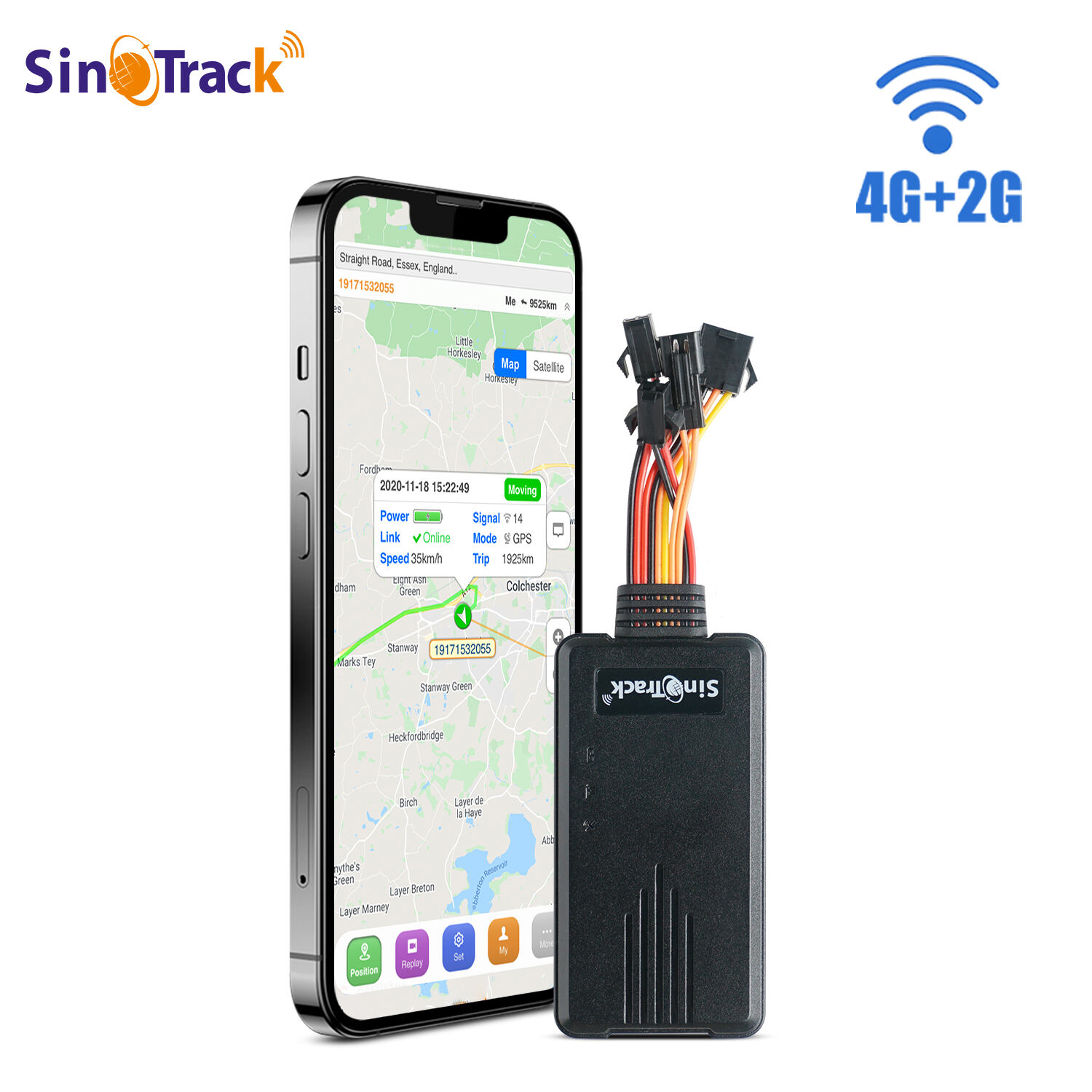
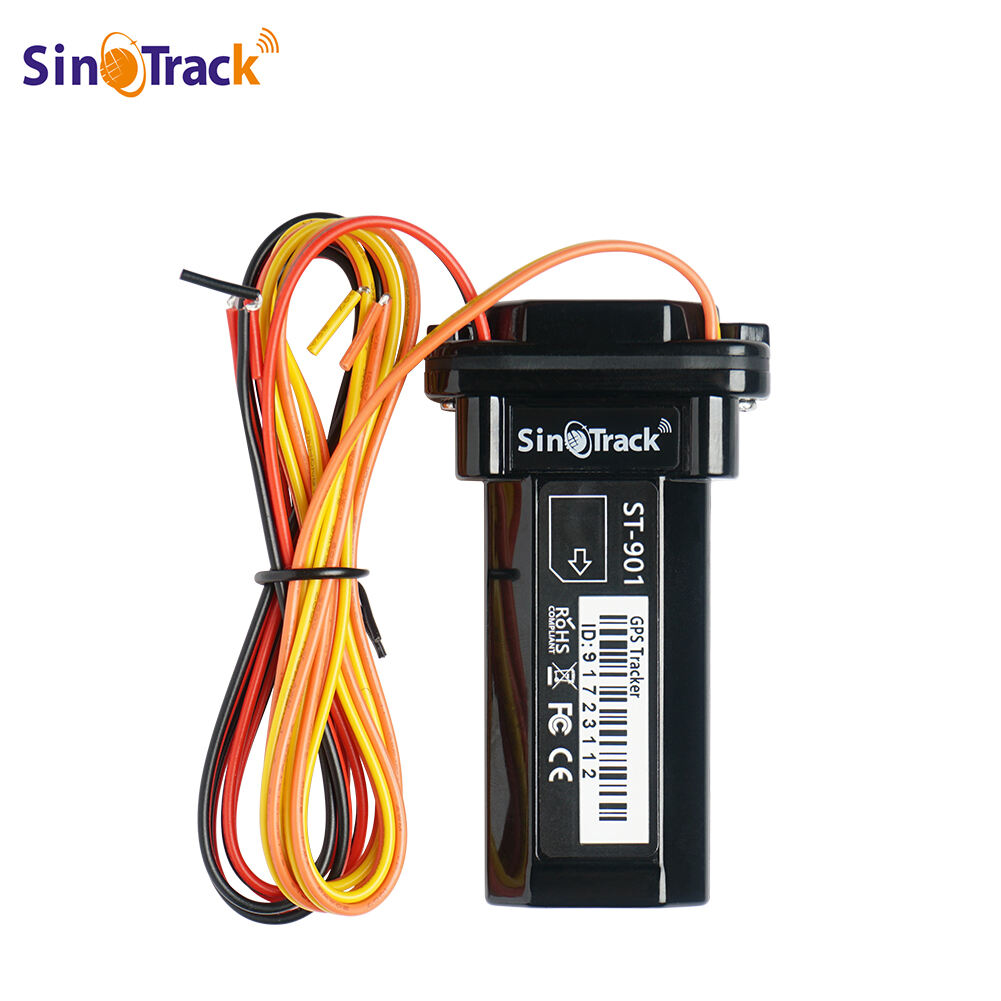
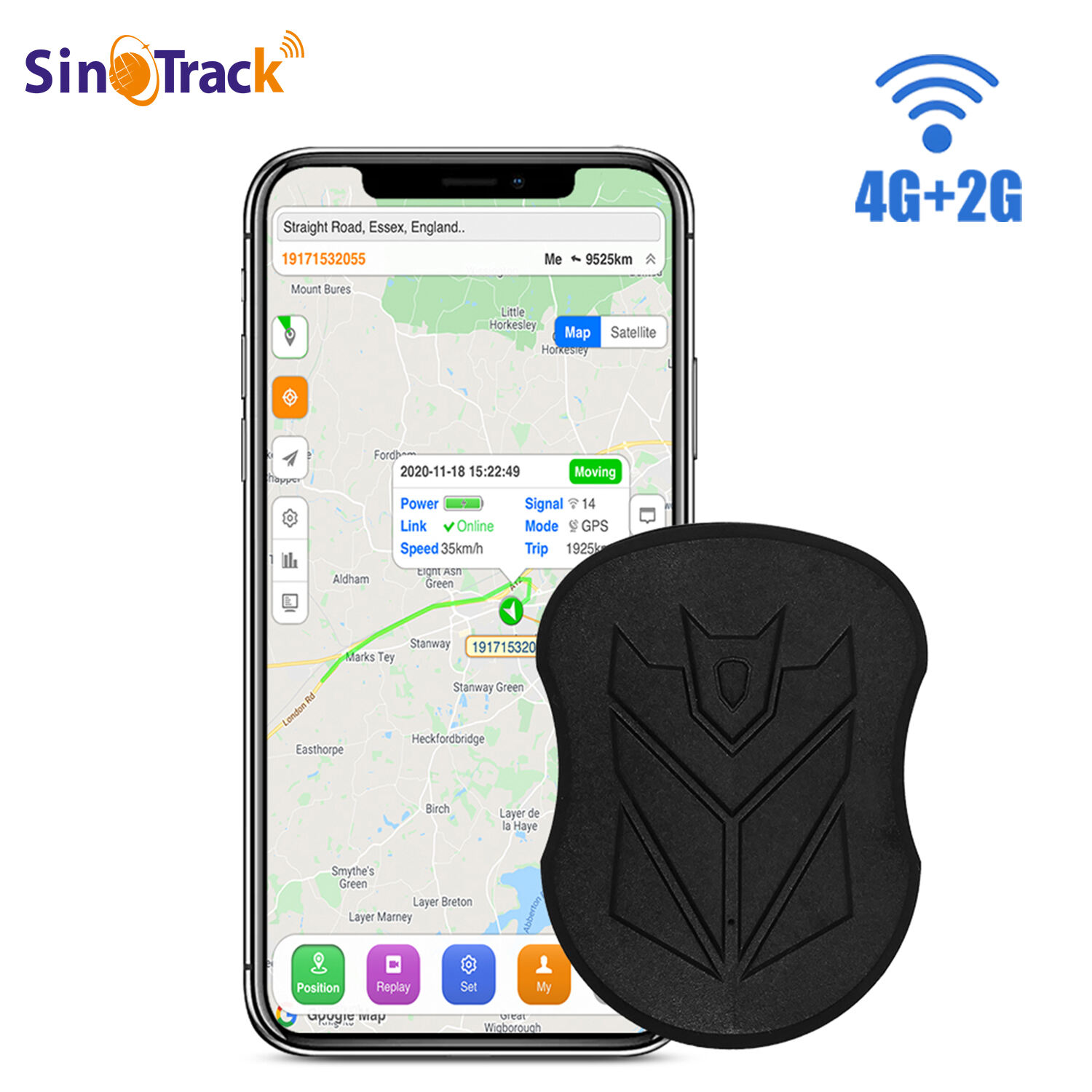
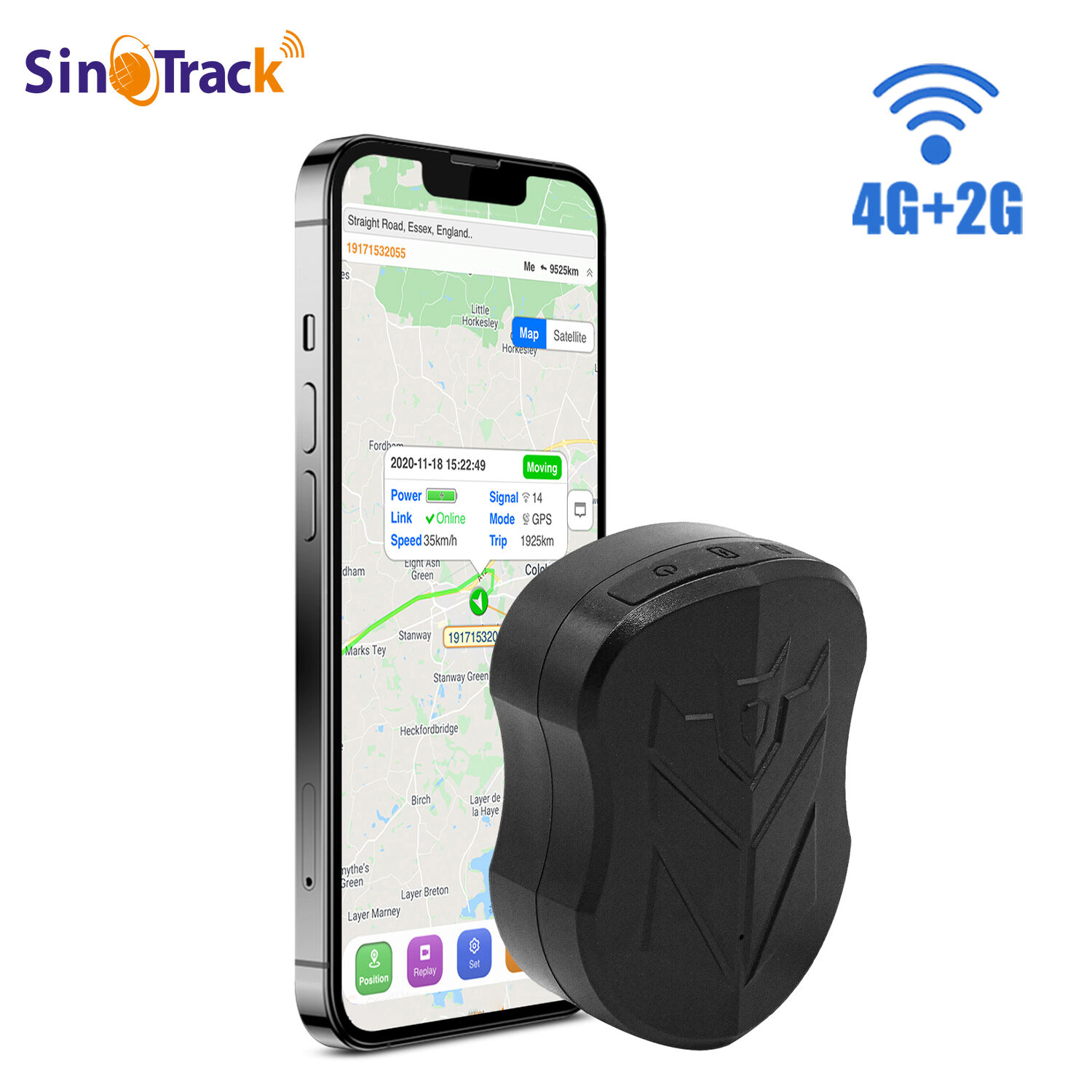
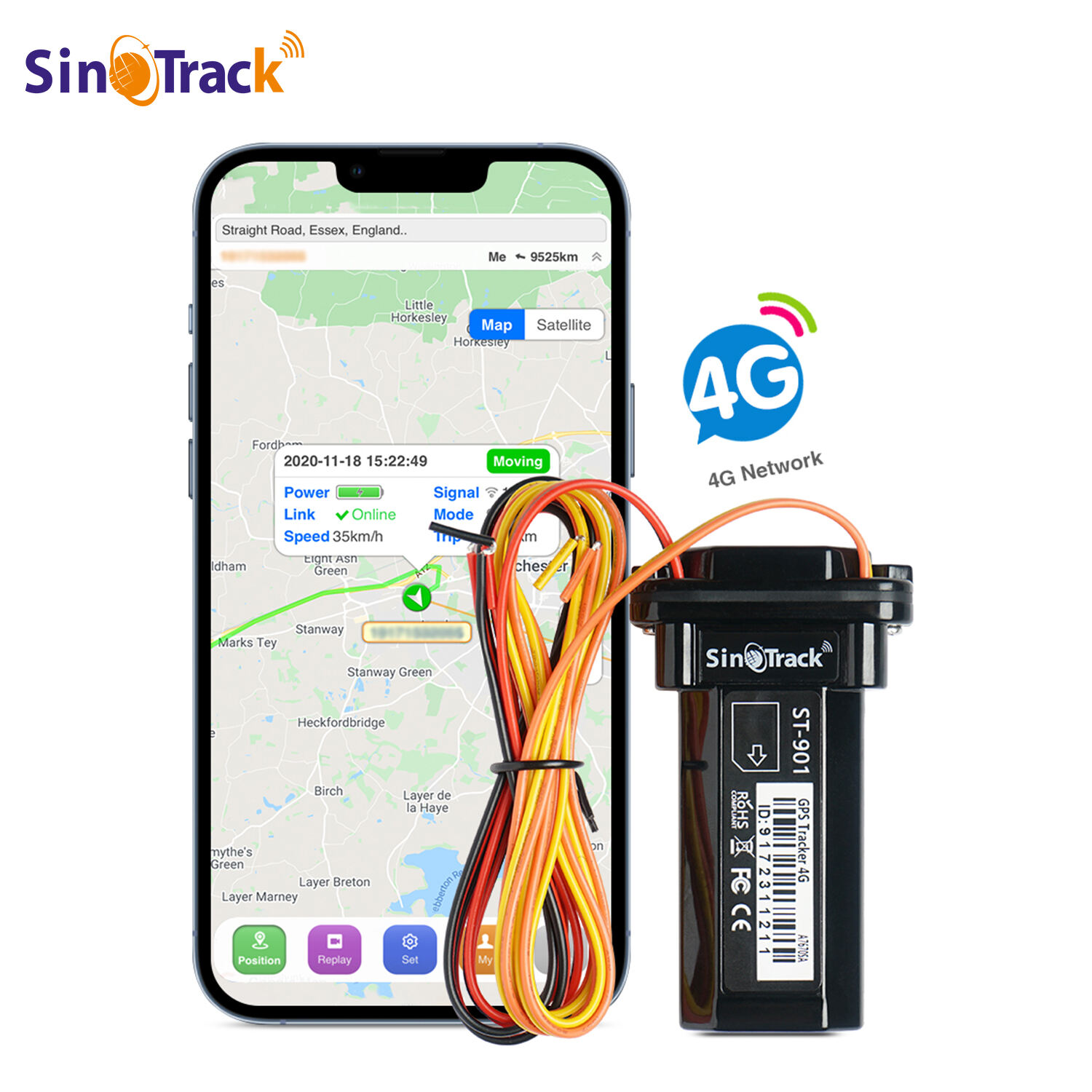
The electric bicycle GPS tracker excels in providing comprehensive fleet management capabilities and detailed usage analytics that transform how businesses and individuals monitor their e-bike operations. This sophisticated system delivers powerful insights into riding patterns, route optimization, and operational efficiency through advanced data collection and analysis algorithms that process thousands of data points during each journey. Fleet operators managing multiple electric bicycles benefit from centralized dashboard interfaces that display real-time locations, battery levels, maintenance schedules, and usage statistics for entire vehicle fleets, enabling efficient resource allocation and strategic decision-making. The electric bicycle GPS tracker automatically generates detailed reports covering distance traveled, average speeds, route preferences, and time spent at various locations, providing valuable intelligence for optimizing delivery routes, planning maintenance schedules, and improving overall operational efficiency. Advanced analytics capabilities identify patterns in user behavior, highlighting frequently used routes, popular destinations, and peak usage times that help businesses understand customer preferences and optimize service offerings accordingly. The system tracks battery consumption patterns and charging cycles, predicting maintenance needs and alerting managers when specific units require attention, preventing unexpected downtime and extending equipment lifespan through proactive care strategies. Individual users gain access to personal fitness and environmental impact metrics, including calories burned, carbon emissions saved compared to automotive transportation, and detailed exercise statistics that gamify the cycling experience and encourage continued e-bike usage. The electric bicycle GPS tracker supports integration with existing business management systems through API connections, enabling seamless data flow between tracking platforms and inventory management, customer relationship management, and financial reporting systems. Customizable alert systems notify managers of unusual activities such as extended stops, route deviations, or potential misuse, allowing immediate intervention to address problems and maintain operational standards. Historical data analysis reveals trends in equipment utilization, helping organizations make informed decisions about fleet expansion, replacement schedules, and route optimization strategies that maximize return on investment while improving service quality and customer satisfaction levels.
 EN
EN