container gps tracker
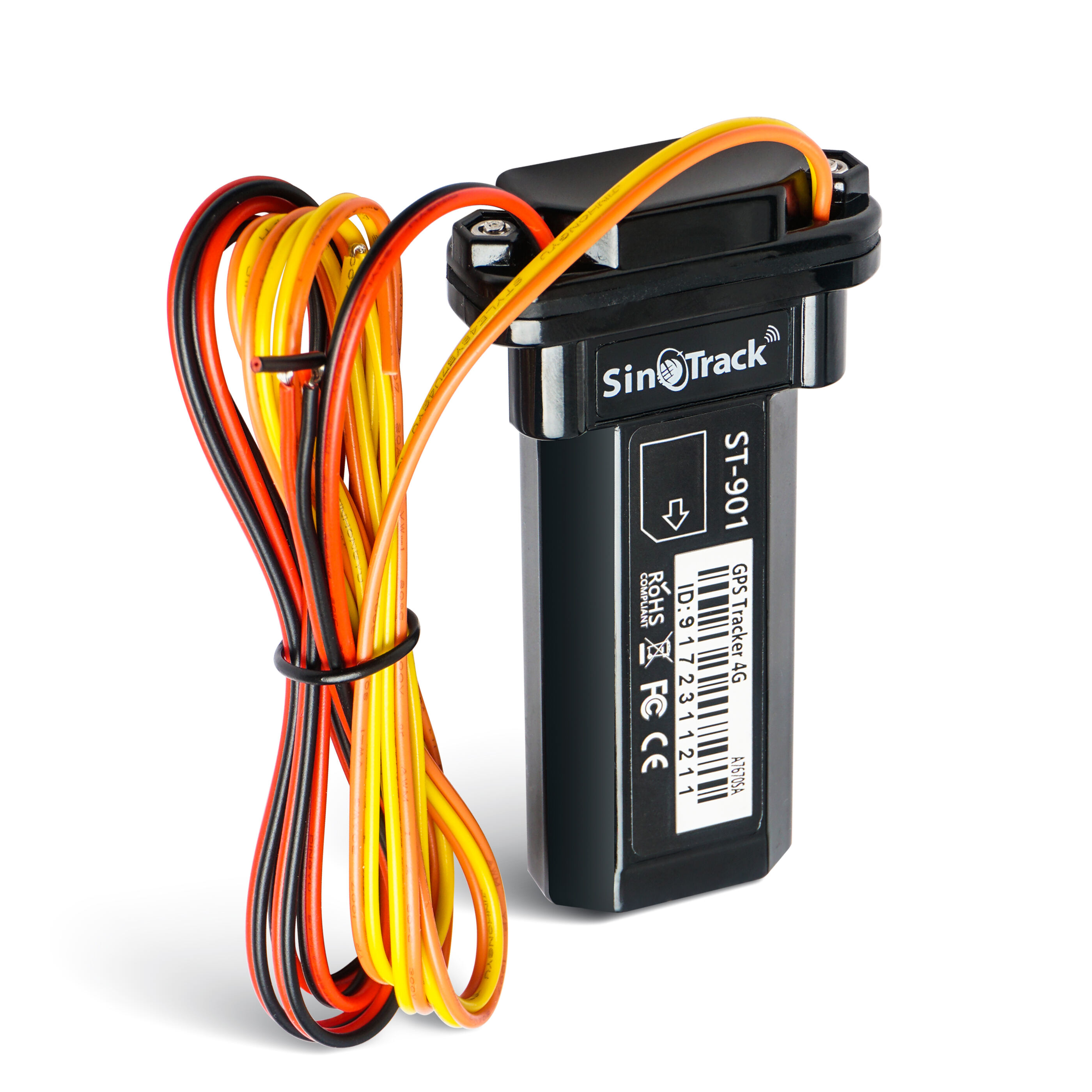
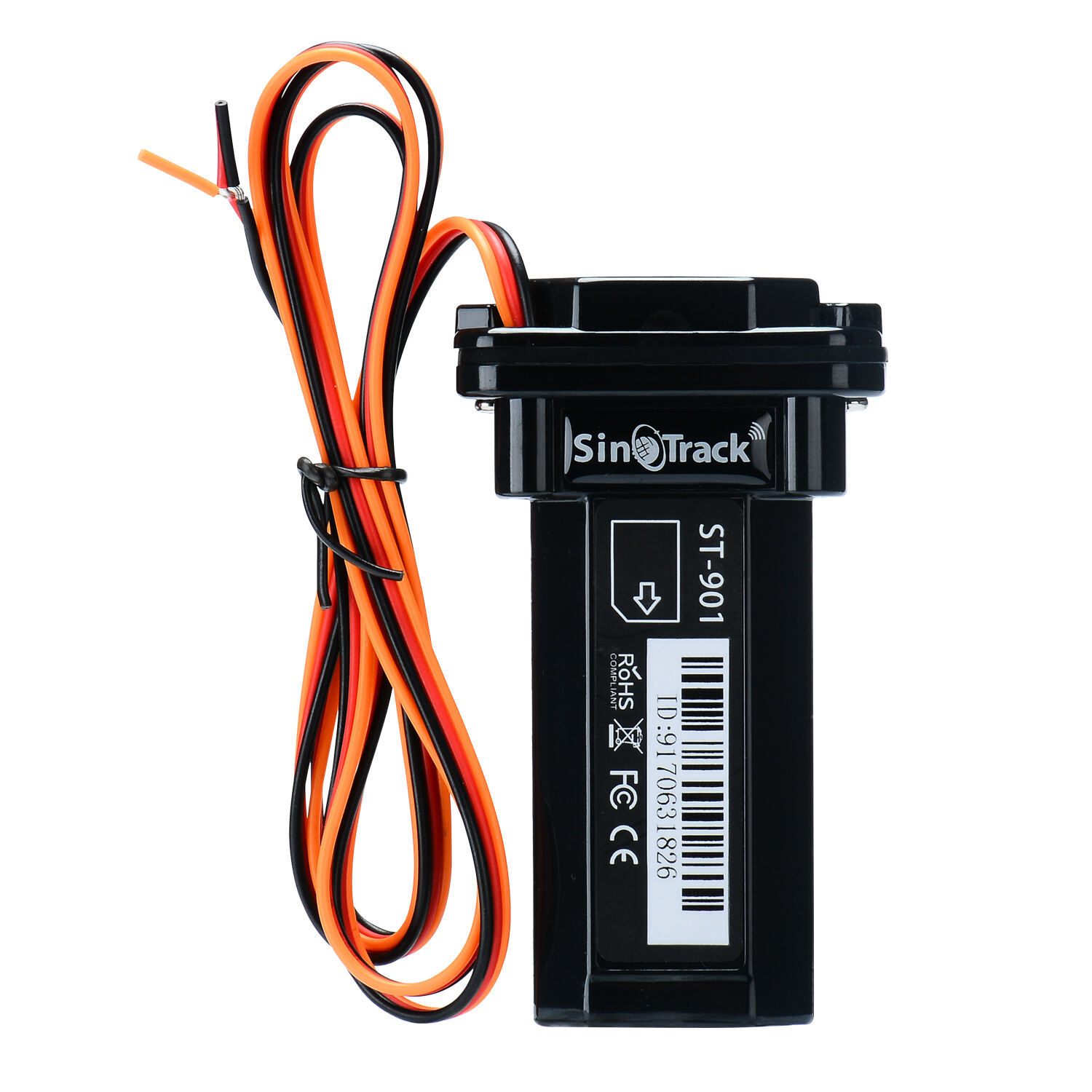
A container GPS tracker represents a sophisticated technological solution designed specifically for monitoring and managing shipping containers throughout their journey across global supply chains. This advanced tracking device utilizes satellite positioning systems to provide precise location data, enabling logistics companies, shipping operators, and cargo owners to maintain constant visibility over their valuable assets. The container GPS tracker integrates cutting-edge Global Positioning System technology with cellular communication networks, creating a comprehensive monitoring solution that operates effectively across international boundaries and diverse geographical terrains. These devices are engineered to withstand harsh maritime environments, extreme temperatures, and challenging weather conditions commonly encountered during ocean freight transportation. The primary function of a container GPS tracker involves continuous location monitoring, transmitting real-time coordinates to centralized management platforms accessible through web-based dashboards and mobile applications. Beyond basic positioning capabilities, modern container GPS tracker systems incorporate multiple sensor technologies including temperature monitoring, humidity detection, shock sensors, and door opening alerts. This multi-functional approach transforms a simple tracking device into a comprehensive cargo security and condition monitoring system. The technological architecture of container GPS tracker solutions typically includes robust hardware components featuring long-lasting battery systems, waterproof enclosures, and tamper-resistant mounting mechanisms. Communication protocols support various network technologies including GSM, LTE, and satellite communication systems, ensuring connectivity even in remote oceanic regions where traditional cellular coverage may be unavailable. Container GPS tracker applications span numerous industries including international shipping, cold chain logistics, pharmaceutical transportation, automotive parts distribution, and high-value cargo movement. These systems serve manufacturers, freight forwarders, logistics service providers, insurance companies, and end customers who require detailed visibility into their shipment status and condition throughout the transportation process.

 EN
EN