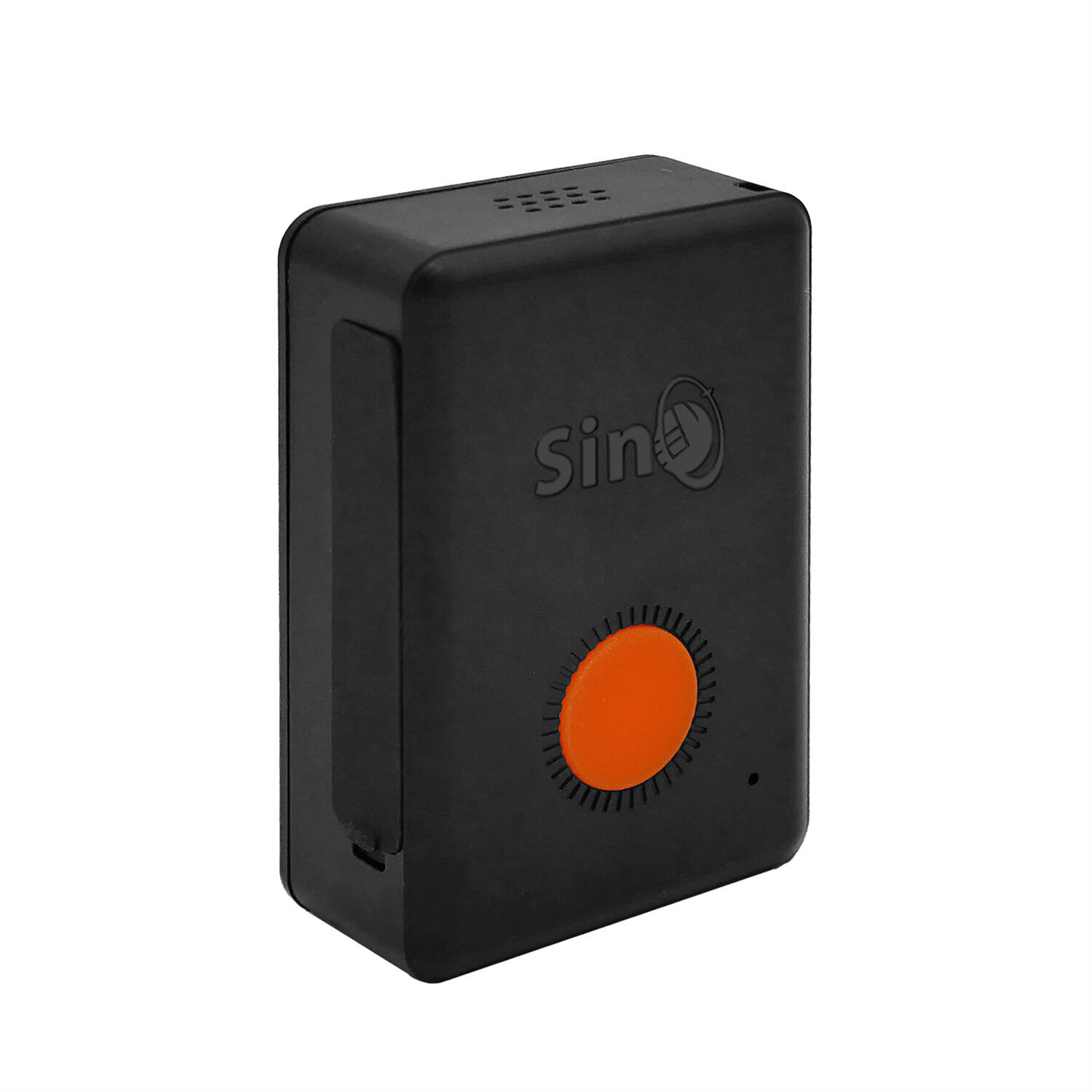
Intelligent Behavioral Analysis and Predictive Health Monitoring
The sophisticated behavioral analysis capabilities of contemporary animal GPS tracker chip systems transform raw movement data into valuable insights about animal health, wellbeing, and behavioral patterns. This intelligent feature goes far beyond simple location tracking by analyzing movement velocity, direction changes, rest periods, and activity levels to identify potential health issues before they become serious problems. The animal GPS tracker chip continuously monitors acceleration patterns, step counts, and energy expenditure levels, creating comprehensive activity profiles that establish baseline behaviors for individual animals. Machine learning algorithms built into the animal GPS tracker chip compare current behavioral patterns against historical data to detect subtle changes that might indicate illness, injury, or psychological distress. Early detection capabilities enable prompt veterinary intervention, potentially preventing minor health issues from developing into serious medical conditions requiring expensive treatments. The predictive health monitoring features of advanced animal GPS tracker chip systems can identify irregular movement patterns associated with various medical conditions including arthritis, hip dysplasia, heart problems, or neurological disorders. Temperature monitoring sensors integrated within some animal GPS tracker chip models track body temperature fluctuations that might indicate fever, infection, or other health concerns. Sleep pattern analysis helps veterinarians and owners understand rest quality and identify sleep disorders that could affect overall health and behavior. The animal GPS tracker chip maintains detailed activity logs that provide valuable information for veterinary consultations, enabling more accurate diagnoses and treatment recommendations based on objective behavioral data rather than subjective owner observations. Customizable alert thresholds allow users to set specific parameters for various behavioral indicators, ensuring immediate notifications when animals exhibit concerning changes in activity levels, movement patterns, or vital signs. Integration with veterinary practice management systems enables direct data sharing between animal GPS tracker chip devices and medical professionals, streamlining healthcare coordination and improving treatment outcomes. Research applications benefit significantly from the behavioral analysis capabilities of animal GPS tracker chip technology, providing scientists with unprecedented insights into natural animal behaviors, migration patterns, and environmental adaptation strategies.

 EN
EN